A package says something about a business before the customer even sees the product. If the box arrives crushed, oversized, or difficult to open, that first impression can quickly go the wrong way. On the other hand, a neat mailer that fits the product properly and carries the brand’s look can make an ordinary delivery feel much more considered.
That is one reason custom-made mailer boxes have become popular with online sellers. They can be produced around the product rather than making the product fit whatever standard box is available.
If you are planning new packaging, here are seven ideas to make your mailer more useful and memorable.
1. Put Your Brand Inside the Box Too
Most companies think about the outside of a package first. That makes sense because the logo and main design are visible during delivery. But there is another opportunity waiting underneath the lid.
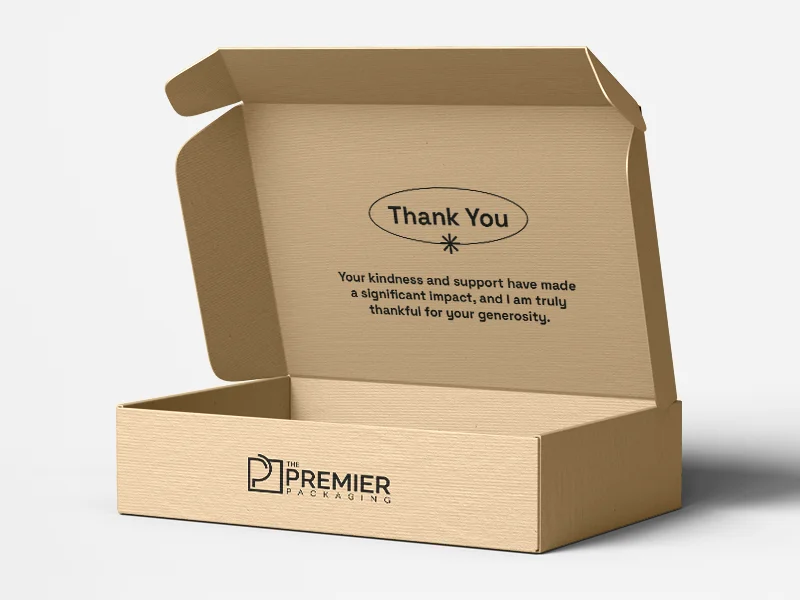
A printed interior can carry a short thank-you note, a product-use tip, your website address, or even a simple brand message. A clothing company might print a care reminder. A coffee brand could add brewing instructions. A cosmetics seller could explain how to use the products included in the order.
It doesn’t need to be elaborate. One well-placed message can be enough to make the opening feel less ordinary.
2. Pick a Box Size That Fits the Product
A beautiful design won’t help much if the box is the wrong size.
Measure the product before deciding on the mailer dimensions. Leave enough room for any tissue, insert, or protective material, but don’t create a large empty cavity for a small product.
This matters during shipping as well as during unboxing. Too much space can allow products to move around. An undersized box can put unnecessary pressure on the contents.
For businesses shipping several products, it may make sense to use two or three carefully selected box sizes rather than trying to use one size for every order.
3. Use Your Existing Brand Style
Your mailer shouldn’t look like it belongs to a completely different company.
Look at your website, product labels, business cards, and social media pages. Which colors appear repeatedly? What type of lettering do you use? Is your brand modern, playful, simple, or premium?
Carry those visual cues onto the box.
A small logo with a familiar color scheme can sometimes be more effective than a busy design covering every inch of the package. Customers don’t need to read the entire box to know where it came from.
4. Add an Insert When the Product Needs One
An insert isn’t just a decorative extra. In many cases, it solves a practical packaging problem.
Suppose a customer orders several glass bottles. Without some separation, the bottles can knock against one another while the package is being handled. A fitted cardboard insert can keep each item in its own position.
The same idea works for cosmetics, gift sets, electronic accessories, candles, and other products that need a little more stability.
There is also a presentation advantage. Opening a box and finding every item neatly arranged feels much better than reaching into a pile of loose products.
5. Give Customers a Reason to Enjoy Opening It
Think about the moment the customer receives the package.
They cut or pull open the shipping package, lift the mailer lid, and see what is inside. That short sequence is part of the buying experience, particularly for brands that sell through e-commerce.
A printed message on the lid, a branded sticker, tissue paper, or a neatly arranged product can make the opening feel intentional. You don’t need all of these at once.
For some brands, a simple “Thank you for your order” is enough. Others may want to add a QR code leading to a product guide or a page where customers can register for rewards.
The right choice depends on what your customers are likely to appreciate.
6. Choose Finishing Effects with a Purpose
There are plenty of ways to give printed mailers a more distinctive appearance. Matte coating, gloss finishes, soft-touch lamination, foil stamping, embossing, debossing, and spot UV are some common options.
But adding every available finish isn’t necessarily a good design decision.
A premium skincare brand might use a subtle foil logo on a matte surface. A children’s subscription company may get more value from bright artwork than from an expensive foil treatment.
Start with the impression you want the package to create. Then choose the finish that supports that impression.
This can also help keep the packaging budget under control. Sometimes one carefully selected finishing detail does more than several competing effects.
7. Make Sustainability Part of the Packaging Decision
Customers are paying more attention to packaging waste, but sustainability isn’t simply a matter of putting the word “eco-friendly” on a box.
Material selection, box size, coatings, inserts, and the amount of packaging used all matter.
Paper-based and kraft materials can be suitable for many applications, especially when recyclability is an important consideration. However, the material still needs to provide enough strength for the product and the shipping conditions it will face.
Start by asking a practical question: how much packaging does this particular product actually need?
If a small item can be safely shipped in a compact mailer instead of a much larger box filled with extra material, that may be a sensible improvement.
A Quick Look at Mailer Options
Different products call for different packaging choices. Here’s a simple starting point:
| T-shirts and apparel | Lightweight mailer | Interior branding |
| Skincare products | Sturdy custom mailer | Fitted insert |
| Candles | Corrugated mailer | Protective divider |
| Gift sets | Premium printed mailer | Tissue or insert |
| Small accessories | Compact mailer | Custom compartment |
| Subscription products | Self-locking mailer | Printed interior |
| Beauty products | Custom-sized mailer | Product separator |
This isn’t a strict formula. Product weight, fragility, shipping distance, and the number of items in each order should all be considered before selecting the final structure.
Don’t Forget About the Practical Details
A mailer box has to survive more than a photo shoot.
Before approving a design, check how the box closes, whether the material is strong enough for the contents, and whether the product actually fits. If you’re ordering printed packaging for the first time, getting a physical sample is a smart step.
A sample can reveal problems that aren’t obvious on a computer screen. Maybe the product slides around. Perhaps the lid doesn’t close as neatly as expected. The printed colors may also look different on the actual board than they did in the artwork.
Fixing those issues before a large production run is much easier than fixing them after hundreds or thousands of boxes have arrived.
Make the Packaging Feel Like Part of the Product
The strongest mailer designs aren’t necessarily the flashiest ones. They usually make sense for the product inside.
A luxury brand may want restrained colors and a refined finish. A small handmade business may prefer a personal note and simple artwork. An online subscription service might prioritize easy opening and a sturdy structure.
That flexibility is the real advantage of custom made mailer boxes. The dimensions, artwork, material, inserts, and finishing can be selected around the needs of the business instead of being dictated by a generic stock package.
Final Thoughts
Good mailer packaging does two jobs at the same time. It needs to get the product from the warehouse to the customer’s door in good condition, while also giving the customer a reason to remember the brand.
Start with the basics: correct sizing, suitable material, secure construction, and proper product protection. Once those are right, add the branding details that genuinely improve the experience.
A thoughtful interior message, a fitted insert, recognizable colors, or one well-chosen finishing effect may be all it takes to turn an ordinary mailer into packaging that customers actually notice.