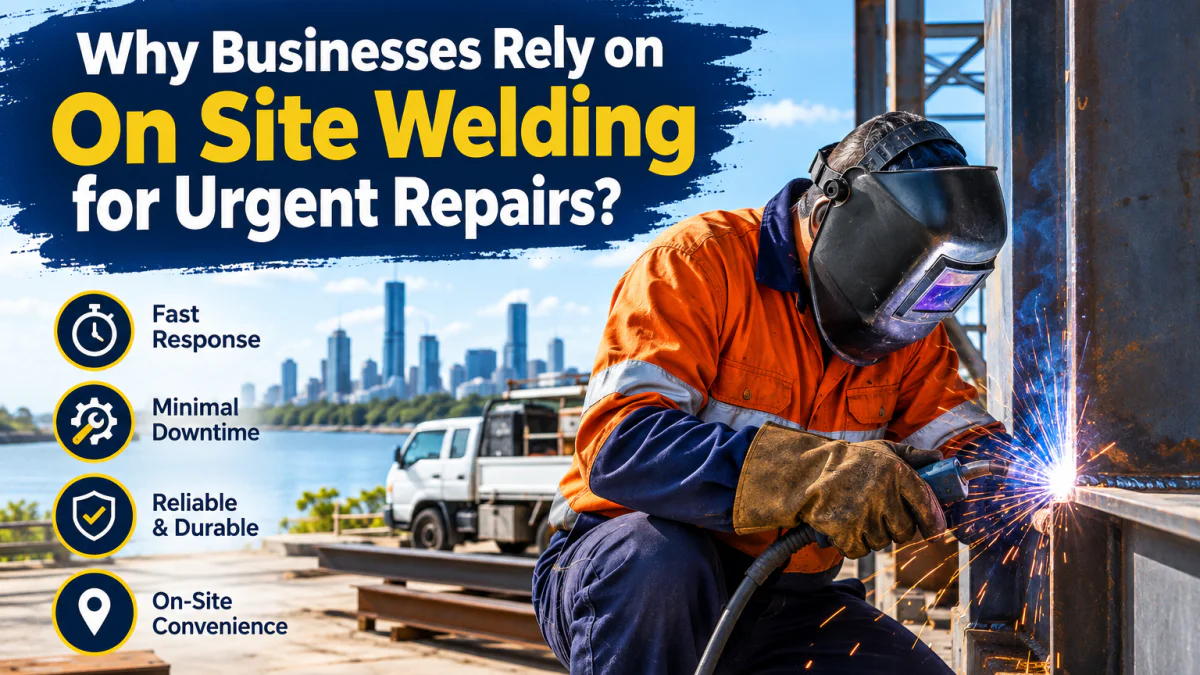
Have you ever had a critical piece of equipment break down at the worst possible moment? What happens when your production line grinds to a halt and every minute counts? How do you get essential machinery fixed when it’s too large or too embedded in your operations to move?
These are the questions that keep business owners and facility managers up at night. When equipment fails, the clock starts ticking immediately. Lost production, missed deadlines, and frustrated customers quickly add up. That’s precisely why on site welding has become such a vital service for businesses across Australia. Instead of waiting days or weeks to transport damaged equipment to a workshop, mobile welders come directly to you—ready to get your operations back on track.
In this article, we’ll explore everything you need to know about on site welding services. You’ll discover why emergency welding is essential for so many industries, the true cost of equipment downtime, and how mobile welding can save your business both time and money. We’ll also look at the types of repairs possible, how to choose the right service provider, and real-world examples of Australian businesses that have benefited from rapid response welding. Let’s get stuck into it.
What Is On Site Welding and How Does It Work?
The Basics of Mobile Welding Services
On site welding, also known as mobile welding, brings professional welding capabilities directly to your location. Rather than dismantling equipment and transporting it to a fabrication shop, skilled welders arrive with everything they need loaded into their service vehicles.
These mobile setups typically include generators, welding machines, cutting equipment, and a full range of consumables. The welder assesses the damage, determines the best repair approach, and completes the work right where your equipment stands. This eliminates the logistical nightmare of moving heavy or oversized items.
Types of Welding Performed On Site
Mobile welders are equipped to handle multiple welding techniques depending on the job requirements. MIG welding is popular for its speed and versatility. TIG welding offers precision for more delicate work. Stick welding remains reliable for outdoor conditions and thicker materials.
The specific technique used depends on factors like the metal type, thickness, and environmental conditions. A professional mobile welder will assess your situation and select the most appropriate method to deliver strong, lasting repairs.
Why Do Companies Need Emergency Welding Services?
Common Scenarios Requiring Urgent Repairs
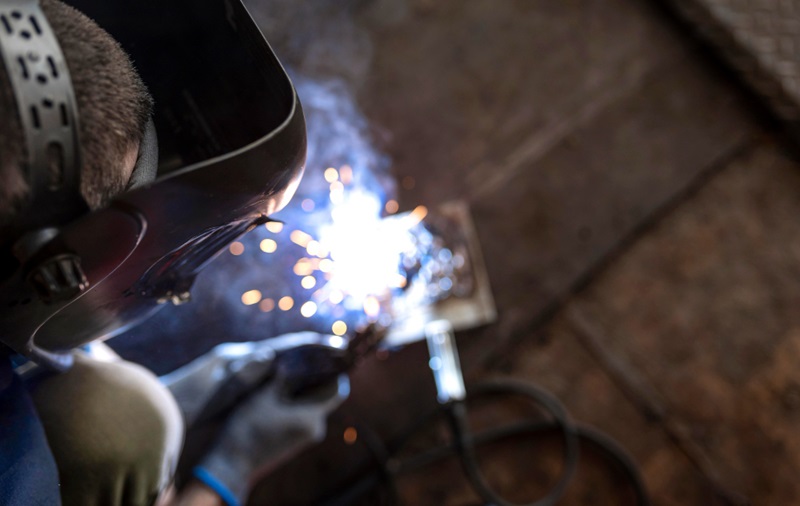
Equipment failures rarely happen at convenient times. A fractured structural beam might threaten worker safety. A cracked hydraulic cylinder could shut down an entire production line. Damaged conveyor systems, broken excavator buckets, and failed pipeline joints all demand immediate attention.
These situations can’t wait for scheduled maintenance windows. Every hour of delay means mounting losses. Emergency welding services exist specifically for these high-pressure moments when traditional repair timelines simply won’t cut it.
Industries That Depend on Rapid Response Welding
Construction sites rely heavily on mobile welding when cranes, scaffolding, or structural steelwork needs immediate attention. Mining operations in remote areas need welders who can reach them quickly—downtime at a mine site costs thousands per hour.
Manufacturing facilities, agricultural operations, and transport companies all depend on rapid response welding. Even local councils and infrastructure managers call on mobile welders for emergency road and bridge repairs. The common thread? These industries can’t afford to wait.
The True Cost of Equipment Downtime
How Much Does Downtime Really Cost Your Business?
The numbers are sobering. Industry research suggests that unplanned downtime costs Australian manufacturers anywhere from $1,000 to $10,000 per hour, depending on the operation’s scale. For mining companies, those figures climb even higher.
Beyond direct production losses, you’re looking at overtime wages to catch up, expedited shipping fees for delayed orders, and potential contract penalties. The ripple effects extend far beyond the initial breakdown.
Hidden Expenses of Delayed Repairs
Delayed repairs often create secondary problems. A small crack left unaddressed becomes a major structural failure. Temporary workarounds strain other equipment. Staff morale suffers when teams constantly deal with unreliable machinery.
There’s also the reputational damage to consider. Missed deadlines and quality issues erode customer trust. In competitive markets, that trust is hard to rebuild. Quick repairs help protect relationships you’ve spent years developing.
Key Benefits of On-Site Welding for Businesses
Reduced Transportation Costs and Logistics
Moving heavy equipment is expensive and complicated. You need specialised transport, permits for oversized loads, and careful handling to prevent further damage. On site welding eliminates these headaches entirely.
The welder comes to you, meaning your equipment stays put. This is particularly valuable for items that are integrated into building structures or connected to complex systems that would require extensive disconnection.
Faster Turnaround Times
When a mobile welder can reach your site within hours rather than days, you’re back in business much faster. There’s no waiting for transport availability, no queue at a fabrication workshop, and no delays from booking return delivery.
Many mobile welding services offer 24/7 emergency response. That means even breakdowns at 2 AM on a Sunday can be addressed promptly. Speed matters, and mobile welding delivers.
Minimising Production Interruptions
On site repairs can often be coordinated around your production schedule. A skilled welder might complete work during a shift change or planned break, minimising disruption to your workflow.
This flexibility is impossible when equipment needs to leave your premises. With on site welding, you maintain control over timing and can prioritise getting your most critical assets operational first.
Flexibility for Large or Immovable Equipment
Some equipment simply cannot be moved. Silos, storage tanks, structural columns, and embedded machinery must be repaired in place. On site welding is the only practical solution for these items.
Mobile welders are experienced in working within challenging environments—confined spaces, heights, and awkward access points. They bring the workshop capabilities to wherever the problem exists.
What Types of Repairs Can Be Done with Mobile Welding?
Structural Steel Repairs
Building frames, support beams, handrails, and staircases all suffer wear over time. Cracks, corrosion, and impact damage can compromise safety. Mobile welders restore structural integrity without requiring demolition or removal.
Machinery and Equipment Fixes
Broken brackets, cracked housings, worn mounting points, and damaged frames are all fixable on site. Whether it’s a production machine or a forklift, mobile welding gets equipment operational again quickly.
Pipeline and Tank Repairs
Leaking pipes and damaged tanks pose environmental and safety risks. On site welding addresses these issues with appropriate techniques for the materials involved, including specialised procedures for pressure vessels when required.
Agricultural and Mining Equipment
Tractors, harvesters, excavators, and haul trucks take a beating. Working in remote locations makes workshop transport impractical. Mobile welders serve these industries with the responsiveness they need.
How Quickly Can a Mobile Welder Respond to an Emergency?
Response times vary based on location and provider, but many Australian mobile welding services offer same-day emergency callouts. In metropolitan areas, arrival within a few hours is common. Regional services may take longer but are still dramatically faster than traditional repair options.
When you’re experiencing a genuine emergency, communicate the urgency clearly. Reputable providers prioritise critical breakdowns and will work with you to minimise your downtime.
Is On Site Welding as Reliable as Workshop Welding?
Absolutely. Professional mobile welders carry the same qualifications and use the same quality equipment as workshop-based fabricators. The key difference is portability, not capability.
What matters most is hiring qualified professionals. Look for welders with relevant certifications, proper insurance, and proven experience in your industry. A skilled mobile welder delivers results every bit as strong and lasting as workshop repairs.
How to Choose the Right On Site Welding Service?
Qualifications and Certifications to Look For
Check that welders hold current certifications from recognised bodies. In Australia, look for qualifications aligned with Australian Standards. Verify they carry appropriate insurance, including public liability and professional indemnity.
Experience matters too. Ask about their track record with similar repairs and whether they’ve worked in your industry before.
Questions to Ask Before Hiring
Clarify response times, particularly for emergencies. Confirm they have experience with your specific equipment type and materials. Ask about their safety procedures—this is non-negotiable.
Request references from previous clients if possible. A reputable provider will happily share testimonials from satisfied customers.
On Site Welding Safety Considerations
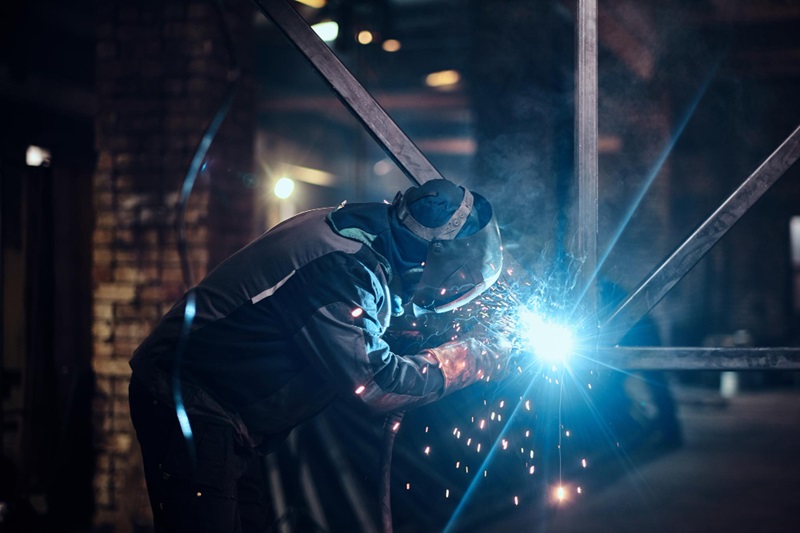
Safety remains paramount in all welding work. On site welding introduces additional considerations, including fire risks, ventilation, and working around other personnel and operations.
Professional mobile welders conduct thorough risk assessments before starting work. They bring appropriate safety equipment, establish exclusion zones, and coordinate with your site management to maintain safe working conditions throughout the job.
Real-World Applications: Australian Business Case Studies
Across Australia, businesses have benefited enormously from on site welding services. A Queensland mining company reduced equipment downtime by 70% after establishing relationships with reliable mobile welders. A Victorian manufacturing plant saved over in transport and production losses when mobile welders repaired a critical press in under four hours.
These success stories highlight the practical value of having trusted mobile welding providers available when emergencies strike.
Keeping Your Operations Running Smoothly
On site welding Queensland has become an essential service for Australian businesses across countless industries. From construction and mining to manufacturing and agriculture, the ability to repair equipment quickly and on location delivers genuine competitive advantages.
The key benefits are clear: faster repairs, lower costs, reduced logistical headaches, and minimised production interruptions. When equipment fails, having a reliable mobile welding service on call can mean the difference between a minor hiccup and a major crisis.
If you haven’t already established a relationship with a qualified mobile welding provider, now’s the time to do so. Don’t wait until you’re facing an emergency to start searching. Find a reputable service, verify their credentials, and keep their number handy. Your future self will thank you when that inevitable breakdown occurs and you know exactly who to call.