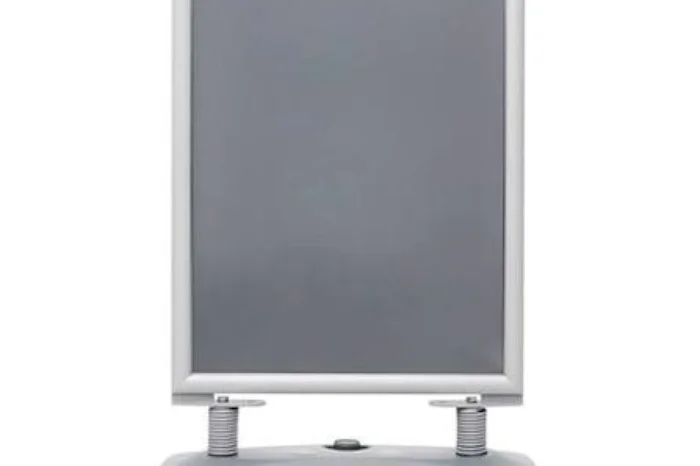
What Are Stoepborden?
Stoepborden are outdoor signs that businesses place near shops, cafes, offices, events, and other public areas. A business can use this type of display to share a short message with people who pass by. A sign can show a sale, menu, service, price, event, or opening time. Since people can see a display while walking, businesses can share information without asking people to enter first.
Pavement signs can work well for local businesses because they focus on people near a store or service. A shop can place a sign near an entrance during opening hours and move it when needed. A cafe can use one message during lunch and change the display for another offer later. This gives staff a simple way to share updates with people in the area.
Main Uses for Business
Stoepborden signs can support many types of business. A restaurant can use a display to show a daily meal or new menu item. A retail store can share a sale or price offer. A salon can promote a service or booking option. A cafe can show drinks, food, or opening times. Offices can also use signs to guide visitors toward an entrance or event area.
Events can use pavement displays for directions. A sign can point visitors toward a registration desk, meeting room, entrance, or waiting area. Short messages work well because people may only have a few seconds to read a display while walking. Clear wording can help visitors find information without needing to ask staff.
Benefits of Outdoor Signage
One main benefit of outdoor signage is direct local communication. Online advertising can reach people across many locations, while a pavement display focuses on people who are already near a business. This can make outdoor signs useful for shops that depend on local foot traffic.
A display can also help attract attention before a person reaches a store. A clear sale message may encourage a person to stop and look inside. A menu can help a customer decide whether to enter a cafe. A service message can tell a visitor what a business offers before they walk through a door.
Reusable displays can also support different campaigns. Businesses can update a message when a sale ends, a new product arrives, or an event starts. Regular message changes can keep local marketing useful without requiring a new display for every short campaign.
Choosing Size and Material
Size should match the place where a sign will stand. A small display may work near a narrow entrance, while a larger display may suit an open area. Text should remain easy to read from a short distance. Businesses should measure available space before choosing a display size.
Material also matters when a sign will stay outside. Rain, wind, sunlight, dust, and daily movement can affect printed signs. A business should choose material based on how and where a display will be used. A strong frame can also help support regular use.
Weight is another point to check. A sign should stay stable when people walk nearby or when wind pass through an area. Businesses should also check local rules before placing outdoor signage. A display should not block doors, ramps, paths, or emergency access.
Creating a Clear Sign Message
Good sign design can work with a small amount of text. A person should understand the main message with a quick look. Use a short heading and place important information near it. A sale sign may show a discount, while a cafe sign may show a menu item or price.
Font size should support quick reading. Avoid using many words in a small space. Too much text can make a display hard to understand. Simple sections can help people find important details faster.
Brand details can also support recognition. A business can add a logo, brand color, phone number, website, or social media detail when useful. However, every element should have a clear purpose. A clean layout can help people focus on one main message.
Best Placement for Better Visibility
Placement can affect how many people notice a sign. A business should place a display where people can see it before reaching an entrance. Avoid placing a sign behind cars, plants, furniture, or other objects. A clear view gives people more time to read a message.
Staff can watch customer movement and test different locations. If most people approach from one direction, place a sign where they can see it early. Sunlight and shadows should also be checked because glare can make printed text hard to read.
Safety should always come first. Keep enough space for people to walk past without trouble. Follow local rules for outdoor displays and public paths. A useful sign should help customers without creating an access problem.
How Q Print Supports Business Printing
Q Print can help businesses prepare printed material for local marketing and customer communication. A business can first decide what message it wants to share, where the sign will stand, and how often the message will change.
Before ordering print material, check size, paper or board type, print area, artwork, and expected use. A simple plan can reduce mistakes and help produce a display that match business needs. Q Print can be part of this process for businesses that need print support for shops, events, cafes, and other local spaces.
Final Thoughts
Stoepborden can help businesses share short messages with people near a shop or service. Sales, menus, prices, events, directions, and service details can all work on an outdoor display. Good placement, readable text, suitable size, and proper material can make a sign easier to use.
Before choosing a display, consider foot traffic, available space, weather, message length, and local signage rules. A business can then create a simple outdoor sign that supports customer communication and local marketing without making the message hard to understand.