Introduction
Outdoor areas collect dirt from rain, snow, dust, traffic, trees, and daily use. Driveways can collect mud and tire marks. Walkways can collect soil and algae. Walls can collect dust and marks from rain.
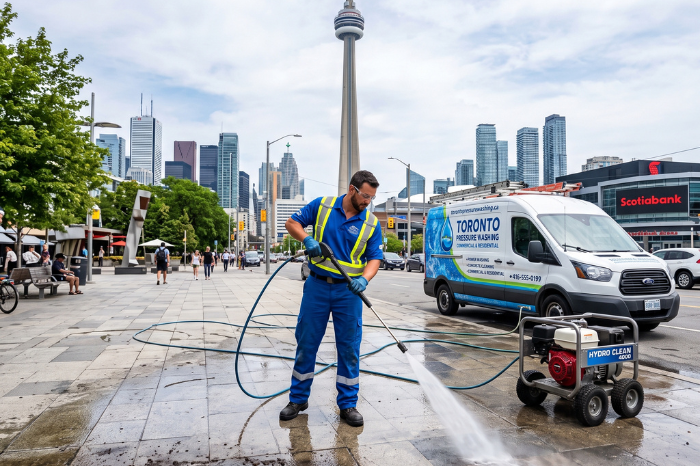
Pressure Washing Services in Toronto can help remove surface dirt from many outdoor areas. A pressure washer use water force to loosen dirt and wash surface buildup away.
Good cleaning require more than strong water pressure. A worker need to check surface material before starting. Concrete can handle more pressure than wood. Painted walls and old surfaces may need less pressure.
A proper cleaning plan can help remove dirt while reduce risk of damage. Owners can also use cleaning time to check for cracks, loose material, peeling paint, and other repair needs.
What Makes Outdoor Surfaces Dirty
Weather play a large role in outdoor dirt. Rain carry soil across concrete and walls. Wind bring dust, leaves, pollen, and small debris. Trees can add sap and plant material near homes.
Winter can also leave dirt behind. Snow and ice can cover surfaces for long periods. When snow melt, mud and road material may remain on driveways and walkways.
Moisture can create another issue. Shaded areas may stay wet for longer periods. Such areas can support algae, mold, and other organic growth.
Regular inspection can help owners find surface buildup early. Cleaning can also make damage easier to see.
How Pressure Washing Work
A pressure washer push water through a small nozzle. Water leave nozzle with force and help loosen dirt from suitable surfaces.
Workers can change pressure, nozzle type, water flow, and cleaning method based on surface material. Proper distance between nozzle and surface also matter.
Concrete may need more pressure than painted siding. Wood may need lower pressure because strong water force can damage wood fibers.
A worker should start with surface inspection. A small test area can also help show how surface respond to water pressure.
Pressure Washing Services in Toronto can provide surface cleaning when workers match water force with material and condition.
Cleaning Concrete Areas
Concrete driveways receive daily use from cars, bikes, shoes, rain, and dirt. Over time, soil can settle into small gaps and rough areas.
Oil marks, tire marks, mud, leaves, and algae can also collect on concrete. Pressure washing can help remove much of this surface buildup.
Workers should inspect cracks before cleaning. Weak concrete can break or lose small pieces when strong water force reach damaged areas.
Walkways and steps can also collect dirt. Cleaning can help remove surface buildup and make cracks or uneven sections easier to notice.
After washing, owners can inspect concrete and decide whether repair or sealing may be useful.
Washing House Exteriors
House walls can collect dust, pollen, mud, spider webs, and organic growth. Siding can also show dark marks near shaded areas.
Different wall materials need different cleaning methods. Vinyl siding may need controlled pressure. Brick can need care around mortar joints. Painted walls may need lower pressure.
Windows and doors should remain closed during washing. Outdoor lights, cameras, vents, and electrical fixtures may need protection.
Plants near walls can also need protection. Workers should control water flow and cleaning products around garden areas.
Pressure Washing Services in Toronto can help clean suitable house exterior surfaces when workers use a method that match surface material.
Patio and Walkway Cleaning
Patios receive dirt from shoes, furniture, food, leaves, and rain. Walkways receive soil from gardens and nearby ground areas.
Algae can appear where moisture remain for long periods. Dark marks may also form under furniture or near shaded sections.
Concrete, stone, and some other hard surfaces can receive controlled pressure washing. Loose stones, cracks, and damaged joints should receive inspection first.
Water runoff also need proper control. Workers should avoid sending large amounts of dirty water toward doors, garages, drains, or garden areas.
Clean patios and walkways can also help owners notice surface damage that may need repair.
Deck and Fence Washing
Wood decks can collect dirt, leaves, mold, and algae. Wood need more care than many hard surfaces because strong water force can damage wood fibers.
Before washing, workers should check boards for cracks, loose areas, rot, and old finish. Pressure should match wood condition.
A controlled cleaning method can remove surface dirt without using more water force than needed. After washing, wood may need time to dry before staining or painting.
Fences can also collect dirt and organic growth. Vinyl, metal, wood, and composite fences can require different cleaning methods.
Removing Mold and Algae
Mold and algae often appear where moisture remain for long periods. Shade can also support growth because surfaces may dry slower.
Cleaning can remove visible growth from many outdoor surfaces. However, cleaning alone may not solve reason behind repeated growth.
A blocked gutter can send water down a wall. Poor drainage can keep soil near a foundation wet. A leaking pipe can also create a damp area.
Owners should check moisture sources when growth return often. Repair and cleaning can work together as part of property maintenance.
Cleaning After Winter
Winter can leave dirt, salt, mud, leaves, and road material on outdoor surfaces. Spring can be a useful time for owners to inspect property areas.
Driveways may show dark marks. Walkways may hold dirt near edges. Walls may show marks from rain and snow melt.
A spring cleaning plan can focus on areas with heavy buildup. Owners can also check gutters, drainage paths, fences, decks, and outdoor steps.
Cleaning after winter can help remove surface material before warm weather support more organic growth.
Preparing a Property for Washing
Property owners can move furniture, toys, tools, pots, and decorations away from cleaning areas.
Windows and doors should stay closed. Vehicles can move away from driveways or nearby washing areas.
Owners should tell workers about known cracks, loose boards, leaks, damaged paint, or weak surfaces. Such information can help workers choose a safer cleaning method.
Pets and children should stay away from active work areas. Electrical items should also receive proper protection.
Good preparation can help reduce delays and support safer work.
Common Pressure Washing Mistakes
Using maximum pressure on every surface can cause damage. Wood, old paint, weak mortar, and damaged concrete may not handle strong water force.
Holding nozzle too close can also increase surface damage. A worker should maintain suitable distance and use proper nozzle type.
Ignoring cracks and loose material can create more problems during cleaning. Surface inspection should happen before washing.
Another mistake involve cleaning without checking runoff. Dirty water can move toward doors, drains, plants, and other areas.
Proper planning can help avoid these issues.
How to Choose a Service
Owners should ask how a company inspect surfaces before washing. Ask which pressure level will use and why that level suit each material.
Questions about cleaning products, plant protection, runoff control, surface testing, and work areas can also help.
A clear price should explain what areas are included. Owners should ask about extra work if workers find damaged surfaces.
Experience with different materials can also matter. Concrete, wood, brick, siding, and painted surfaces do not all need same cleaning process.
Pressure Washing Services in Toronto can be useful when a service provider use proper equipment and match cleaning method with surface condition.
Pro Renewal Services INC
Pro Renewal Services INC can help property owners with exterior cleaning needs in Toronto. A service plan can start with inspection of surface material, dirt level, and visible damage.
Driveways, patios, walkways, walls, decks, and fences may need different cleaning methods. Pro Renewal Services INC can help owners understand suitable options before work begin.
A planned cleaning service can also help owners notice areas that need repair or future care. Regular exterior maintenance can help owners keep track of surface condition through different seasons.
Conclusion
Outdoor surfaces face dirt and moisture throughout year. Rain, snow, dust, leaves, traffic, and organic growth can leave buildup on concrete, walls, patios, decks, and walkways.
Pressure washing use water force to remove suitable surface dirt. Correct pressure and nozzle choice matter because strong force can damage weak material.
Surface inspection should come before cleaning. Workers should check cracks, loose sections, old paint, wood condition, mortar joints, and other weak areas.
Pressure Washing Services in Toronto can help property owners manage outdoor surface buildup when workers use proper cleaning methods.
Regular inspection can help owners find dirt, algae, cracks, and other problems early. Good preparation, safe equipment use, controlled water pressure, and surface-specific care can support proper exterior maintenance.
Pro Renewal Services INC can support property owners with cleaning needs in Toronto and help plan work based on surface type and condition.