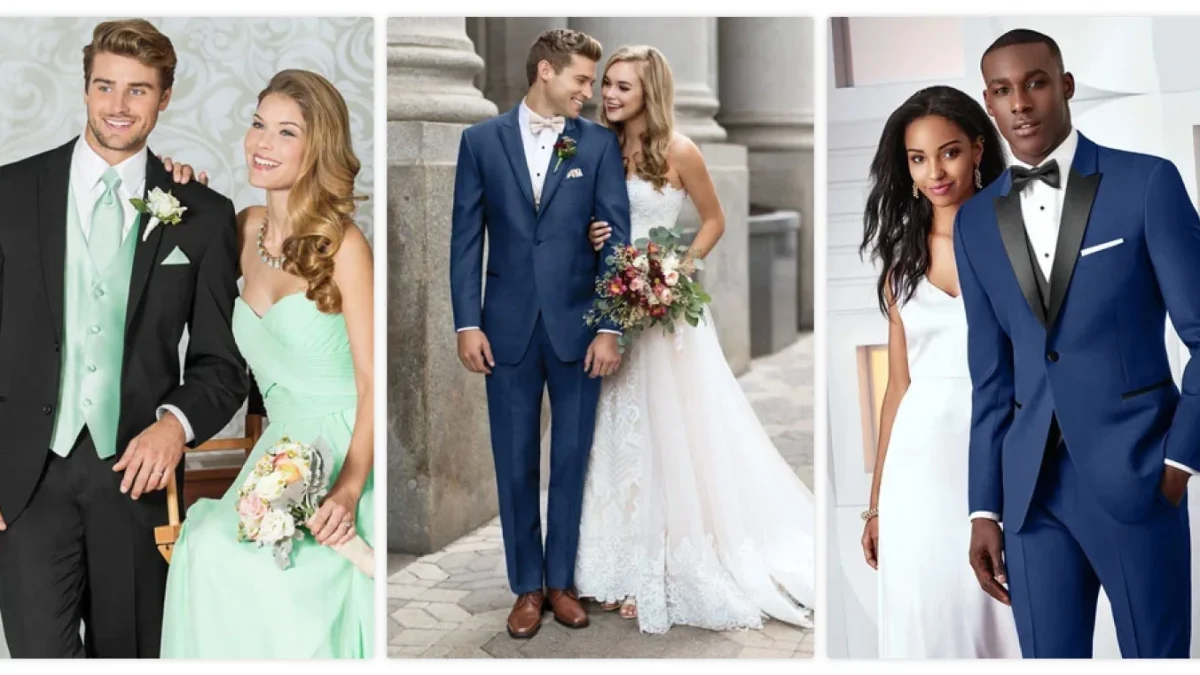
Ordering a custom shirt involves more choices than most people expect. You need to think about collar style, cuffs, fabric, sleeve length, waist shape, and how closely the shirt should fit.
The process does not need to be complicated. A well-made shirt comes down to three things: fit, function, and proportion. Once those are right, decisions about collars, cuffs, fabrics, and personalized details become much easier.
Here is what to consider when ordering your next custom dress shirt.
Why Choose a Custom Shirt?
Ready-made shirts are built around standard proportions. That works well when your neck, shoulders, chest, waist, arms, and sleeve length all happen to match the same standard size.
For many men, they do not.
You may need a larger collar with a slimmer waist, longer sleeves, additional room through the chest or shoulders, or less fabric around the lower back. It is also common for one sleeve to need a slightly different length from the other.
custom tailor allows these areas to be adjusted individually instead of forcing the entire shirt to follow a standard size.
Start With the Right Fit
Fit should always come before collar styles, cuff designs, monograms, or other decorative choices.
A well-fitted shirt should follow the shape of your body without clinging to it. You should be able to sit comfortably, reach forward, raise your arms, bend your elbows, and button the collar without feeling restricted.
Custom does not mean making a shirt as tight as possible.
The goal is to remove unnecessary fabric while leaving enough room for natural movement. A clean fit and a tight fit are not the same thing.
Get the Collar Fit Right
The collar is one of the most important parts of a dress shirt because it frames the face, sits beneath the jacket collar, and often needs to work with a tie.
It should sit close to the neck without feeling restrictive. As a general guideline, you should be able to comfortably fit a finger between your neck and the collar when the top button is fastened.
If the collar is too tight, it quickly becomes uncomfortable. If it is too loose, it may leave a noticeable gap or lose its shape beneath a jacket.
Posture and neck position also affect how the collar sits, so this area should be fitted carefully rather than selected only by size.
Choosing the Right Collar Style
There are many collar options, but most men only need a few versatile styles in their wardrobe.
Spread Collar
A spread collar is one of the most versatile choices. It works well with a tie and still looks clean when worn open.
It pairs naturally with business suits, wedding suits, and tailored clothing.
Semi-Spread Collar
A semi-spread collar has slightly less distance between the collar points than a full spread.
It is an excellent option for men who want one collar that works across business, formal, and smart-casual outfits.
Point Collar
A point collar has narrower spacing between the collar points and creates a more traditional appearance.
It often works particularly well with narrower tie knots and classic business clothing.
Button-Down Collar
A button-down collar is more casual and pairs naturally with sport coats, chinos, sweaters, and open-collar outfits.
It is usually less formal than a spread or semi-spread collar.
For a first custom dress shirt, a moderate spread or semi-spread collar is generally one of the easiest and most versatile choices.
Match the Collar to Your Proportions
Collar style should also complement your face and neck.
A very wide spread can make a broad face appear wider, while a narrow point collar may emphasize the length of a narrow face. These are not strict rules, but proportion matters.
Neck length should also be considered. A longer neck can often carry a slightly taller collar, while a shorter collar may look more balanced on someone with a shorter neck.
This is one of the advantages of a custom shirt. The collar height, spread, and overall proportions can be adjusted rather than choosing from a fixed standard design.
Button Cuffs vs. French Cuffs
For most men, button cuffs are the most practical option for everyday shirts.
They work well for business, weddings, dinners, professional events, and general tailored clothing. A barrel cuff may use one or two buttons, depending on the design and preferred fit.
A single-button cuff creates a clean, simple appearance, while a two-button cuff can provide slightly more adjustment around the wrist.
Neither is automatically better. The right choice depends on comfort and how you intend to wear the shirt.
Consider Your Watch
If you regularly wear a watch, mention which wrist you wear it on during the fitting.
The cuff on that side can sometimes be made slightly larger so it sits comfortably over or around the watch case. This helps prevent the cuff from catching or sitting awkwardly.
It is a small detail, but it is a good example of how customization can improve everyday comfort rather than simply adding decoration.
When to Choose French Cuffs
French cuffs fold back on themselves and are fastened with cufflinks.
They are generally more formal than standard button cuffs and work particularly well with tuxedos, formal suits, eveningwear, and traditional business dress.
French cuffs can also work in professional settings, but the important question is whether you will actually wear them.
If cufflinks are rarely part of your wardrobe, there is little reason to order every shirt with French cuffs. For most men, button cuffs make sense for everyday wear, while French cuffs can be reserved for more formal occasions.
Cuff Fit Matters
A properly fitted cuff should sit comfortably around the wrist and help keep the sleeve from falling too far over the hand.
If the cuff is too loose, the sleeve may slide downward. If it is too tight, wrist movement can become uncomfortable and the sleeve may pull upward.
The sleeve itself also needs enough length to allow a small amount of shirt cuff to show beneath a suit or sport coat.
This is why shirt and jacket measurements should work together.
Chest Fit Should Allow Movement
A custom shirt should look clean across the chest without feeling strained.
If the buttons pull or horizontal tension lines appear when you move, the shirt is probably too tight.
You should be able to reach forward and move your arms without feeling as though the fabric is fighting against your body. This becomes especially important when you wear dress shirts for an entire workday, wedding, or formal event.
The goal is to provide comfortable movement while still maintaining a clean silhouette.
Shape the Waist Naturally
The waist is one area where custom shirts can provide a noticeable improvement over ready-made options.
Many off-the-rack shirts fit reasonably well through the chest but leave too much fabric around the stomach and lower back.
A custom shirt can be shaped through the side seams, back darts, or adjustments to the shirt pattern. Darts can help remove excess fabric around the waist while preserving enough room through the chest and shoulders.
Some men prefer the cleaner shape created by darts, while others prefer a smooth, undarted back. The best option depends on your build and preferred silhouette.
Get the Shoulders Right
Shoulder fit affects the entire shirt.
The shoulder seam should sit close to the natural end of your shoulder. If it falls too far down the upper arm, the shirt may look oversized. If it sits too far inward, the shirt can feel restrictive and pull during movement.
The shoulder position also affects sleeve alignment, chest comfort, arm movement, and how the shirt sits beneath a jacket.
A good fitting should therefore consider the entire upper body rather than simply removing fabric from the waist.
Sleeve Length Matters
Correct sleeve length helps a shirt work properly with a suit or sport coat.
The sleeve needs enough length to remain in position as your arms move. If it is too short, the cuff may disappear inside the jacket sleeve when you reach forward. If it is too long, excess fabric can bunch around the wrist.
It is also normal for the left and right arms to require slightly different measurements.
Small differences between both sides of the body are common and can be accounted for during the fitting.
Choosing the Right Shirt Fabric
Fabric affects comfort, appearance, formality, and how the shirt performs throughout the day.
Poplin
Poplin has a smooth surface and a relatively lightweight feel. Its clean appearance makes it a strong choice for business and formal shirts.
Twill
Twill has a visible diagonal weave and often feels softer and slightly more substantial than poplin.
It still looks polished enough for suits and professional wardrobes.
Oxford Cloth
Oxford cloth has more noticeable texture and tends to feel more casual.
It pairs particularly well with button-down collars, chinos, sweaters, and sport coats.
Broadcloth
Broadcloth provides another clean, lightweight option for business and formal shirts.
The right fabric should be chosen according to where and how you intend to wear the shirt, not simply based on which cloth feels the softest.
Fabric Weight and Climate
Fabric weight should match both the climate and the purpose of the shirt.
Lightweight cotton can work well in warmer weather, while a slightly heavier cloth may provide more structure during cooler months.
If you tend to feel warm, mention it during your consultation. Breathability becomes especially important when the shirt will usually be worn underneath a suit jacket.
A shirt intended for a summer wedding may require a very different fabric from one designed for a winter business wardrobe.
Start With White and Light Blue
When building a custom shirt wardrobe, versatility should come first.
White is usually one of the best starting points because it works with almost every suit color and suits business meetings, weddings, formal events, and dinners.
Light blue is another highly versatile choice.
Once those basics are covered, you can add subtle stripes, small checks, pale neutral shades, seasonal fabrics, and more distinctive patterns.
It is better to begin with shirts you know you will wear regularly and experiment later.
Keep Patterns Simple at First
Custom shirts offer many options, which can make it tempting to add too many design details at once.
Bold stripes, large checks, contrast collars, decorative stitching, bright buttons, unusual monograms, and contrasting cuffs can all be interesting, but they should come after fit and versatility.
A properly fitted white or light blue shirt will usually provide more value to a wardrobe than a heavily customized design that only works with one outfit.
Once you know which collar shapes, cuff styles, fabrics, and fits you enjoy wearing, adding more personality becomes easier.
Good Tailoring Should Include Guidance
Ordering a shirt should not feel like completing a complicated form.
A good tailor should explain how each option affects comfort, appearance, and how the shirt works with the rest of your wardrobe.
At Carmel Tailoring & Fine Clothier, clients can consider collar style, cuff design, fabric, fit, and the rest of their wardrobe as part of the same conversation.
The best shirt is rarely the one with the most customized details. It is the one where every choice works together.
Consider the Shirt and Jacket Together
If you are ordering shirts for a suit, wedding outfit, or professional wardrobe, it helps to consider how the shirt will work with the jacket.
The collar should sit neatly beneath the jacket collar, the cuffs should show the correct amount below the sleeves, and the shirt body should remain comfortable once the jacket is buttoned.
The collar shape should also complement the jacket lapels and the type of tie you normally wear.
Thinking of the shirt and jacket as one complete outfit often produces a more balanced result.
Custom Shirts for Weddings
A wedding shirt may need to remain comfortable for many hours through photographs, the ceremony, dinner, and dancing.
Comfort matters, but so does appearance.
A white cotton dress shirt remains one of the safest options for formal weddings because it creates clean contrast with most suits and tuxedos. For destination or daytime weddings, lighter fabrics may feel more comfortable in warmer conditions.
If the groom plans to wear a tie or bow tie, collar structure becomes particularly important.
The shirt should always be considered as part of the complete wedding outfit rather than as an isolated garment.
Custom Shirts for Business
Business shirts usually benefit from simple, versatile choices.
White, light blue, subtle stripes, and understated checks can cover a large part of a professional wardrobe. Spread and semi-spread collars work particularly well because they can be worn both with and without ties.
Button cuffs are usually the most practical choice for everyday business wear.
If you wear dress shirts frequently, durability, comfort, and ease of care may be just as important as softness.
The best business shirt is one you can comfortably wear again and again.
Customize With Purpose
Customization should make the shirt more useful.
If you rarely wear cufflinks, you probably do not need several French-cuff shirts. If your wardrobe is conservative, bold contrast collars may spend most of their time unworn.
If you always wear your shirts tucked in, the shirt length should also be designed accordingly.
Every custom detail should serve a purpose. More customization does not automatically mean a better shirt.
Questions to Ask Before Ordering
You do not need to understand every tailoring detail before ordering a shirt, but asking a few practical questions can help.
Ask which collar best suits your face and neck, how the collar should fit when buttoned, whether button or French cuffs make more sense for your wardrobe, whether the watch-side cuff needs adjustment, and how much room you should have through the chest.
You can also discuss whether darts are appropriate for your build, which fabric works best for your climate, which colors should form the foundation of your wardrobe, and how the shirt should fit beneath your existing suits.
A good tailor should be able to explain these choices clearly and practically.
Final Thoughts
A good custom shirt should solve fit problems first and add personal style second.
Start with the right collar for your face, neck, and wardrobe. Choose cuffs based on how formally you dress, make sure the shoulders and chest allow comfortable movement, and select fabric according to climate and intended use.
For your first few shirts, versatility is usually the best approach.
Once the fit is established and you understand which details you genuinely enjoy wearing, personalization becomes much easier.