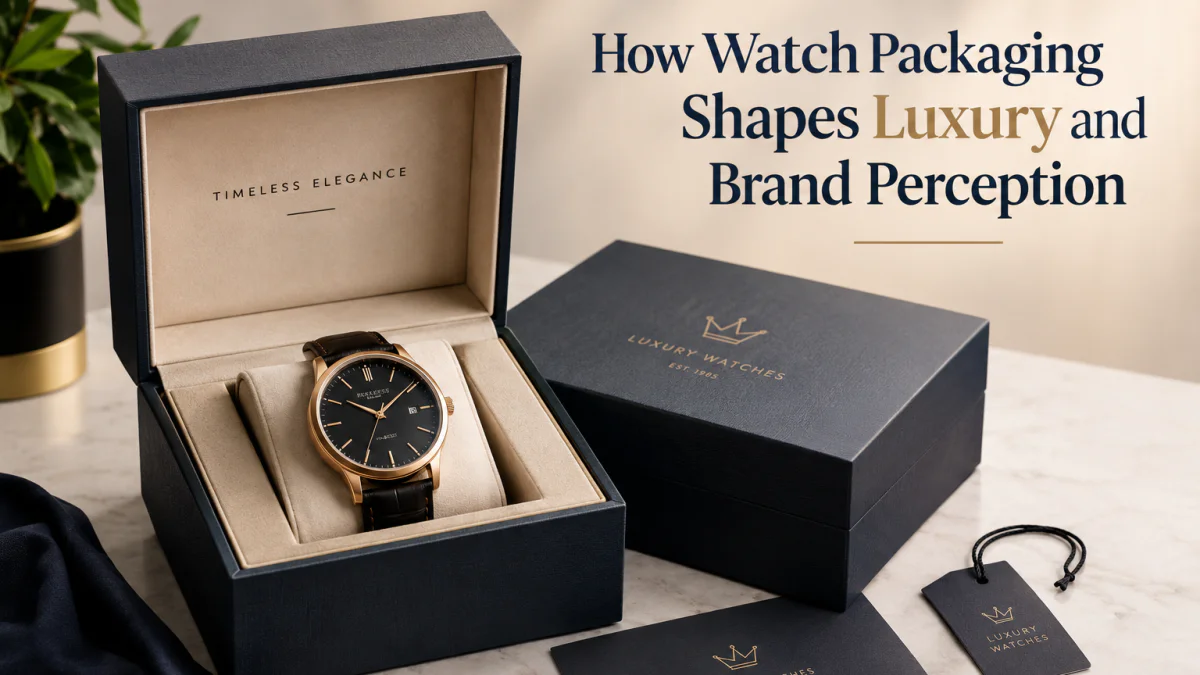
A watch is more than a tool for telling time. For many people, it represents personal style, a meaningful achievement, or an investment in something they plan to keep for years. While the design of a watch often attracts attention first, its packaging also influences how customers perceive the product. From the moment someone receives a watch to the first time they open its box, the smallest details can shape their impression of the brand.
For watchmakers and retailers, Custom Watch Boxes can help create a presentation that reflects the style and identity of a timepiece. The right materials, a well-fitted interior, and carefully considered branding can make the product feel more thoughtfully presented while helping protect it during storage. When packaging complements the watch instead of competing with it, the entire experience feels more consistent.
Why Watch Packaging Matters for Luxury Brands
Luxury products are often judged by the attention given to their details. Customers may consider the quality of a watch’s finish, the materials used in its construction, and the reputation of its manufacturer. Packaging adds another layer to that evaluation. A carefully designed box can make a watch feel like part of a complete product experience rather than an item placed inside an ordinary container. A secure interior, clean finishing, and consistent branding suggest that the same attention to detail extends beyond the timepiece itself.
However, expensive packaging does not automatically make a product luxurious. The design needs to suit the watch, its intended audience, and the expectations associated with the brand. A simple, understated box may complement a minimalist watch more effectively than an oversized package filled with decorative elements. When packaging reflects the character of a timepiece, it helps create a more consistent impression of quality.
The Role of Materials in Creating a Premium Impression
Materials influence both the appearance and practical performance of a watch box. Their texture, durability, and finish can change how customers perceive the product before they even handle the watch. Rigid cardboard, textured paper, fabric-covered surfaces, and carefully finished inserts can all contribute to an attractive presentation. The best choice depends on the watch’s price range, brand identity, and intended use.
For example, a classic dress watch may suit a box with a smooth exterior, neutral colours, and a soft interior lining. A contemporary sports watch might look more appropriate in a compact design with clean edges and durable materials.
Brands should consider several factors when selecting packaging materials:
- Durability: The box should withstand normal handling and storage without easily losing its shape.
- Interior protection: A suitable cushion or insert helps hold the watch securely and reduces unnecessary movement.
- Surface finish: Consistent textures, clean edges, and neat construction contribute to a polished appearance.
- Practicality: The box should be easy to open, close, store, and handle.
- Material efficiency: Appropriate material use can reduce unnecessary packaging without compromising protection.
The aim is to balance appearance with function. Materials should support the watch’s presentation while providing the protection customers expect.
How Design and Branding Influence Customer Perception
Packaging is one of the physical ways customers experience a brand. Colours, typography, logos, and structural details can communicate whether a watch brand feels traditional, modern, understated, or bold. A brand selling classic timepieces may choose deep colours, subtle logos, and timeless finishes. A company targeting younger buyers might prefer clean shapes, contemporary typography, and a more minimal presentation. Neither approach is automatically better; consistency is what makes the design effective.
Branding also benefits from restraint. Placing a logo in a considered position can create a more refined appearance than covering every surface with brand names and decorative details. When the packaging is easy to recognize without looking crowded, it reinforces brand identity without distracting from the watch. The packaging should feel like a natural extension of the product. This connection becomes especially important for brands that want customers to recognize their visual identity across retail displays, online stores, and gift presentations.
The Unboxing Experience and Its Emotional Value
Opening a watch box can be a meaningful part of receiving the product. This is particularly true when a watch is purchased to celebrate a birthday, anniversary, graduation, promotion, or another personal milestone.
The experience does not need to be complicated to feel special. A secure lid, a neatly positioned watch, a clean interior, and well-organized warranty information can make the process feel thoughtful and polished.
Packaging can also influence how people remember a purchase. When a product is presented clearly and the box is pleasant to handle, the experience may leave a positive impression beyond the initial transaction.
For online retailers, this detail is particularly relevant because customers cannot inspect the physical product before delivery. The package becomes part of their first in-person interaction with the purchase.
Brands should avoid adding unnecessary layers simply to make the unboxing process longer. The purpose is to create a smooth and enjoyable experience, not to make customers struggle with excessive wrapping or complicated closures.
Protecting Watches During Storage and Delivery
Although appearance matters, protection remains one of the main purposes of watch packaging. Timepieces can be affected by impacts, scratches, pressure, and careless handling during transportation or storage. A well-designed box helps keep the watch in position and reduces the chance of unnecessary contact with other objects. The interior should accommodate the watch’s dimensions and strap design without placing excessive pressure on delicate components.
For watches shipped directly to customers, the presentation box may need additional outer protection. A decorative box alone is not necessarily sufficient for every delivery situation, particularly when packages pass through multiple handling stages.
Businesses should consider the following practical measures:
- Use an appropriately sized insert to keep the watch stable.
- Select materials that resist ordinary wear during handling.
- Prevent loose accessories from rubbing against the watch surface.
- Add suitable outer shipping protection when required.
- Test packaging samples before using them for large orders.
Packaging requirements may differ for metal bracelets, leather straps, larger watch faces, and other designs. Testing helps brands identify problems before they affect customers.
Sustainability and the Future of Watch Packaging
Sustainability is an important consideration in product presentation across many industries. Watch brands can explore packaging options that reduce unnecessary waste while maintaining an attractive and protective design.
One practical approach is to review the amount of material used in each box. Oversized packaging may require more storage space and additional shipping materials without providing a clear benefit. A more appropriately sized design can improve efficiency while preserving the intended presentation.
Brands may also consider responsibly sourced paper-based materials, recyclable components, and packaging that customers can reuse for storage. However, sustainability claims should reflect the actual materials and available disposal options. A package should not be described as fully recyclable unless its components and local recycling conditions support that claim.
There is also value in designing boxes that remain useful after purchase. Customers may keep a suitable watch box to protect their timepiece when it is not being worn. This can extend the useful life of the packaging and reduce the likelihood that it will be discarded immediately. The challenge is to find a balance between durability, presentation, material use, and responsible disposal.
Choosing Packaging That Matches the Watch
The most effective packaging decisions begin with an understanding of the product and its intended audience. A premium mechanical watch, a casual everyday timepiece, and a fashion watch may require different approaches to presentation.
Before finalizing a design, brands should consider the following questions:
- Does the packaging reflect the watch’s design and price positioning?
- Is the interior suitable for the watch’s size and shape?
- Does the exterior communicate the intended brand identity?
- Will the packaging remain presentable during storage and delivery?
- Can unnecessary materials be reduced without affecting protection?
- Is the opening experience convenient for the customer?
Testing a sample with the actual watch is particularly useful. It allows designers to assess the fit, appearance, ease of opening, and overall handling before committing to a full production run.
Packaging should support the product rather than compete with it. When every element serves a clear purpose, the result is more likely to feel considered and consistent.
How Packaging Supports Brand Value Beyond Watches
The relationship between packaging and brand perception extends beyond the watch industry. Across fashion, beauty, accessories, and gifting, customers often notice how a product is presented alongside its quality and usefulness.
For businesses in these markets, Custom Packaging Boxes can help bring product protection, visual presentation, and brand identity together. Consistent colours, appropriate materials, and thoughtful construction can make packaging more recognizable while creating a smoother experience for customers. The key is to choose a design that suits the product and audience rather than adding decorative features without a clear purpose.
This approach allows brands to maintain a consistent presentation across different products and customer touchpoints without losing sight of practical needs.
Conclusion
Watch packaging contributes to the way customers experience and evaluate a timepiece. Material selection, thoughtful design, recognizable branding, reliable protection, and a pleasant unboxing experience all help shape the impression a product creates.
Luxury does not necessarily require oversized boxes or elaborate decoration. Often, the strongest presentation comes from careful proportions, quality finishing, practical construction, and details that complement the watch.
For brands and retailers, investing in suitable packaging is a way to connect product quality with customer experience. When the box protects the timepiece and reflects the brand’s identity, it becomes a useful part of the overall product experience rather than an afterthought.
Frequently Asked Questions
1. Why is watch packaging important for luxury brands?
Watch packaging helps present the timepiece, reinforce brand identity, and create a consistent customer experience. Quality materials and thoughtful construction can support a premium impression while protecting the product.
2. What makes a watch box look luxurious?
A refined appearance often comes from quality materials, clean finishing, suitable proportions, a well-fitted interior, and restrained branding. The design should complement the watch rather than overwhelm it.
3. How does packaging influence customer perception?
Customers may associate well-made packaging with attention to detail and product quality. Although packaging alone cannot establish a product’s value, it can influence the first impression and the overall purchasing experience.
4. What materials are commonly used for watch boxes?
Watch boxes may use rigid cardboard, paper-based coverings, fabric, foam inserts, and other cushioning materials. The appropriate combination depends on the watch, the desired presentation, and the level of protection required.
5. Can custom watch boxes improve brand identity?
Yes. Custom dimensions, colours, finishes, inserts, and logo placement can help a brand create a recognizable presentation that aligns with its products and target audience.
6. How does watch packaging protect a timepiece?
A properly fitted insert helps prevent unnecessary movement, while suitable materials reduce the risk of scratches and minor impacts during normal handling. Additional outer packaging may be needed for shipping.
7. Is sustainable watch packaging a practical option?
Yes. Brands can consider responsibly sourced materials, recyclable components, reduced packaging sizes, and reusable storage boxes. The final choice should balance environmental considerations with durability and product protection.
8. Should watch packaging match the style of the watch?
Yes. Packaging that reflects the watch’s design, intended audience, and brand identity creates a more consistent presentation. Minimalist watches may suit understated boxes, while other designs may benefit from a more distinctive finish.