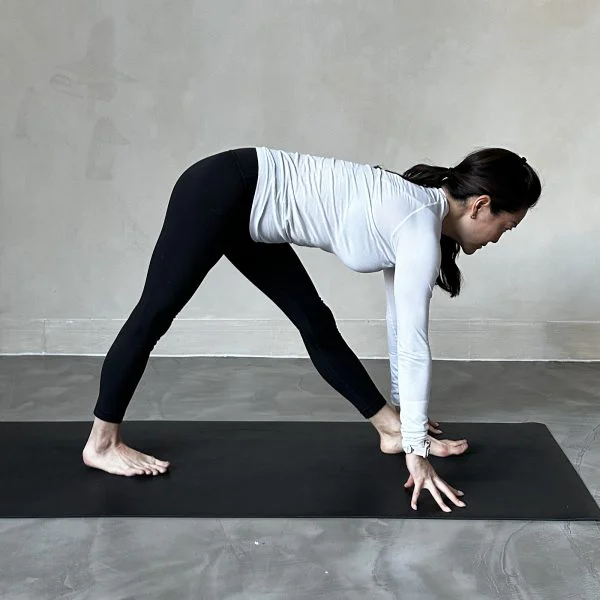
In 2026, stiff muscles, bad postures, and a low range of motion remain the most common problems faced by those involved in fitness activities. But the remedy is not as complicated as many believe: the regular application of appropriate yoga poses for flexibility will bring about tremendous changes to your body in just four to six weeks. No matter whether you are a novice at yoga or an old practitioner who has gone on hiatus, this article provides all that you require.
Below are 15 must-know yoga poses designed for beginners across the United States of America and Canada.
Why Yoga Is the Best Tool for Flexibility in 2026
The process by which yoga stretches are used for increasing flexibility occurs through a combination of active stretching, breathing techniques, and body awareness that allows muscles to lengthen, connective tissues to relax, and joints to become more flexible. Yoga increases flexibility through not only physical, but also neurological means.
Benefits of a regular yoga flexibility practice:
- Reduces injury risk during athletic training by improving muscle extensibility
- Relieves chronic back pain, hip tightness, and shoulder tension
- Improves athletic performance in running, lifting, and sports
- Enhances posture and spinal alignment
- Reduces stress and anxiety through breath-focused movement
- Improves balance, coordination, and body awareness
15 Essential Yoga Poses for Better Flexibility
1. Child’s Pose (Balasana)
Target areas: Lower back, hips, thighs, and ankles. Kneel on your mat, bring your big toes together, sit back on your heels, and stretch your arms forward. Hold for 30 to 60 seconds. This is your go-to resting pose and the best starting point for any flexibility session.
2. Downward Facing Dog (Adho Mukha Svanasana)
Target areas: Hamstrings, calves, shoulders, and spine. The cornerstone of yoga practice. From all-fours, lift your hips toward the ceiling, forming an inverted V shape. Hold for 5 to 10 breaths. Pedal the feet to increase hamstring and calf stretch.
3. Low Lunge (Anjaneyasana)
Target areas: Hip flexors, quadriceps, and groin. Step one foot forward into a deep lunge, lower your back knee to the mat, and reach your arms overhead. Hold 30–45 seconds on each side. Excellent for reversing the hip tightness caused by prolonged sitting.
4. Pigeon Pose (Eka Pada Rajakapotasana)
Target areas: Piriformis, glutes, hip rotators, the deepest hip-opening pose in yoga. From downward dog, bring one knee forward toward your wrist and extend the opposite leg back. Hold 60 to 90 seconds per side for maximum hip opening.
5. Seated Forward Fold (Paschimottanasana)
Target areas: Hamstrings, lower back, calves. Sit with legs extended, hinge forward from the hips (not the waist), and reach toward your feet. Hold 45 to 60 seconds. This is the most effective single pose for improving hamstring flexibility.
6. Butterfly Pose (Baddha Konasana)
Target areas: Inner thighs, groin, hips. Sit with the soles of your feet together, drop knees toward the floor, and gently press elbows into inner thighs. Hold 45 to 60 seconds while breathing deeply. Essential for runners and cyclists.
7. Triangle Pose (Trikonasana)
Target areas: Hamstrings, hips, side body, spine. Stand with feet wide apart, reach one hand toward your front ankle, and extend the other arm toward the ceiling. Hold 30 to 45 seconds on each side. A full-body lateral stretch that improves spinal mobility.
8. Cat-Cow Pose (Marjaryasana-Bitilasana)
Target areas: Spine, neck, lower back. On all fours, alternate between arching and rounding the spine with each breath. Perform 10–15 slow repetitions. The best warm-up movement for spinal flexibility and morning stiffness relief.
9. Supine Twist (Supta Matsyendrasana)
Target areas: Thoracic spine, lower back, and glutes. Lie on your back, draw one knee to your chest, and guide it across your body while extending both arms. Hold 30 to 60 seconds on each side. This pose provides immediate lower back relief.
10. Cobra Pose (Bhujangasana)
Target areas: Spine extension, chest, abdominals. Lie face down, place your hands under your shoulders, and gently press up through the chest while keeping your hips on the mat. Hold 20 to 30 seconds. Essential for countering the forward spinal flexion of daily life.
11. Wide-Legged Forward Fold (Prasarita Padottanasana)
Target areas: Inner thighs, hamstrings, spine. Stand with feet wide apart and fold forward, hands or head reaching toward the floor. Hold 45 to 60 seconds. One of the best poses for improving inner thigh and hip flexibility simultaneously.
12. Standing Quad Stretch (Variation of Dancer’s Pose)
Target areas: Quadriceps, hip flexors, and balance. Stand on one foot, bend the opposite knee, and hold your ankle behind you. Hold 30 to 45 seconds on each side. Essential for runners and anyone who sits for long periods.
13. Shoulder Cross-Body Stretch
Target areas: Posterior shoulder, upper back. Bring one arm across your body at shoulder height and use the opposite hand to deepen the stretch. Hold 20 to 30 seconds on each side. Relieves chronic shoulder tightness from desk work and overhead lifting.
14. Legs Up the Wall (Viparita Karani)
Target areas: Hamstrings, lower back, and nervous system recovery. Lie on your back with your legs resting vertically against a wall. Hold 3 to 5 minutes. This pose is both a flexibility tool and an active recovery method that reduces leg fatigue after intense workouts.
15. Corpse Pose (Savasana)
Target areas: Full body relaxation and nervous system integration. End every yoga session with 2 to 5 minutes of Savasana. This is not just rest it is when your nervous system integrates the changes made during the session, making flexibility improvements stick long-term.
How to Build a Flexibility Yoga Routine
- Practice 3–5 times per week for meaningful flexibility improvement
- Hold each pose for a minimum of 30 to 60 seconds; shorter holds do not create lasting flexibility changes
- Always warm up for 5 minutes before deep stretching (light cardio or Cat-Cow)
- Breathe slowly and deeply in every pose, exhaling into the stretch increases range of motion
- Never force a pose through pain work at the edge of your comfortable range only
- Track your progress monthly with simple flexibility tests (touch-your-toes, hip opener depth)
FAQs: Yoga Poses for Flexibility
How long does it take to see flexibility improvements from yoga?
Most people notice measurable flexibility improvements within 3 to 4 weeks of consistent practice (3+ times per week). Significant changes in tight areas like hips and hamstrings typically develop over 6–12 weeks. Daily practice accelerates progress considerably.
Is yoga good for athletes who do strength training?
Absolutely. Yoga and strength training are highly complementary. Yoga prevents the chronic tightness that intense strength training creates, reduces injury risk, improves movement quality, and accelerates recovery. Most strength athletes report better performance after adding just 2 to 3 yoga sessions per week.
What is the best yoga pose for lower back pain?
Child’s Pose, Cat-Cow, Supine Twist, and the Pigeon Pose are the four most effective yoga poses for relieving lower back pain. A daily 10-minute routine combining these four poses can significantly reduce chronic lower back tightness within 2 to 3 weeks.
Conclusion
These 15 essential yoga poses for flexibility give you a complete system for transforming your body’s mobility in 2026. Practice them consistently 3 to 5 times per week, hold each pose long enough to create real change, breathe deeply, and you will notice dramatic improvements in your range of motion, posture, and athletic performance within just a few weeks.