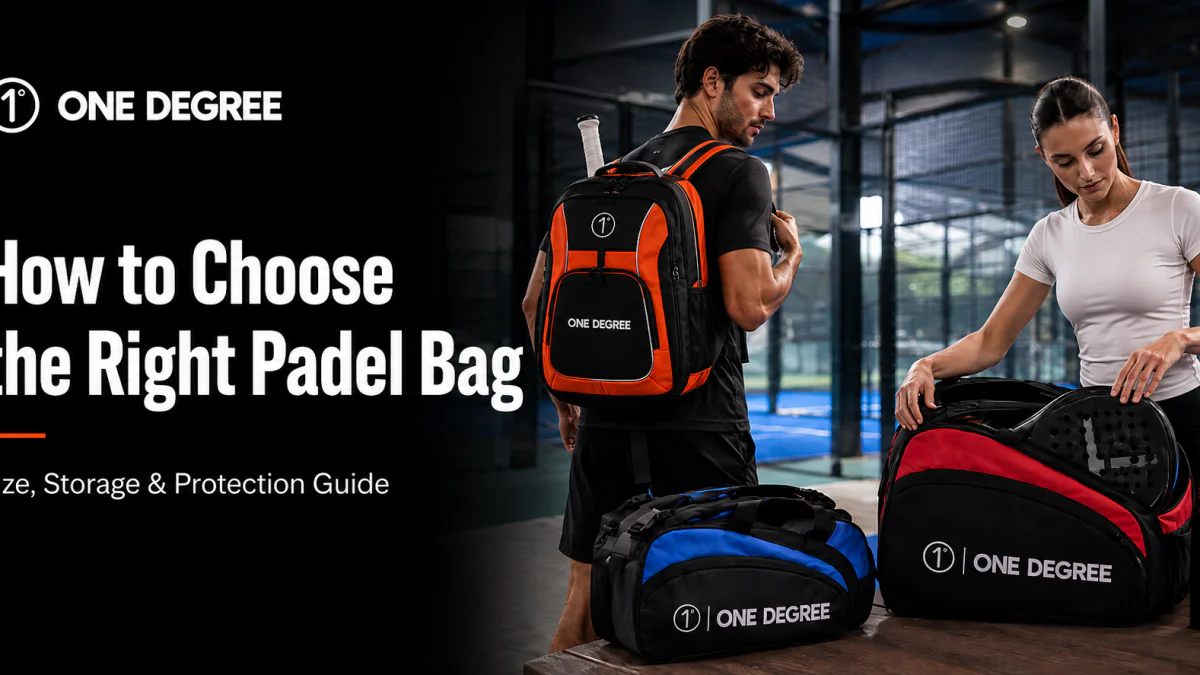
Your opponent is already on the court, stretching, rolling their shoulders loose. You’re still crouched over an open padel bag, digging past a damp towel for a fresh over grip that you’re now fairly sure is at the bottom, under everything else. By the time you jog out, you’ve lost thirty seconds of warm-up and about that much composure too.
Nobody loses a match because of how they packed their padel bag. But plenty of players walk into one slightly rattled because of it, and the fix has less to do with buying more gear than with understanding what actually belongs where. Packing well comes down to three things: weight distribution, temperature control, and moisture management, loaded in the right order, layer by layer.
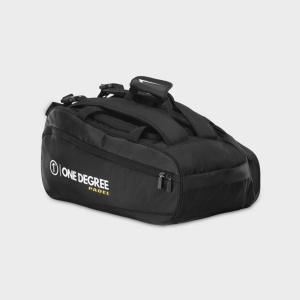
The Base Layer: Foundation and Footwear
As padel sports in Pakistan keep growing, more players are learning that a standard gym tote doesn’t hold up to what the game actually demands of a bag. It starts with what goes in first.
The heaviest items go at the bottom or closest to your spine if you’re using a backpack-style padel bag. This isn’t a minor detail. A bag loaded top-heavy sags, pulls unevenly on your shoulder over a full session, and puts weight directly on top of anything fragile packed underneath it.
Shoes belong here too, but not just because they’re heavy. Padel courts use a silica-sand infill on the artificial turf, and that sand works its way into everything it touches: zippers, linings, racket frames, if it isn’t contained. A dedicated, ventilated shoe compartment isn’t a nice-to-have; it’s what keeps that sand from migrating into the rest of the padel bag over a season of use.
It’s also worth paying attention to the shoes themselves, not just where they sit in the padel bag. Whether you’re looking at padel shoes for women or men, the deep herringbone soles built for court grip are also the soles that hold onto the most grit, one more reason they belong sealed off at the very bottom of the load, not loose against your other gear.
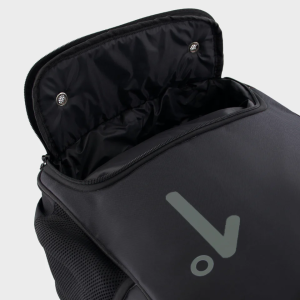
The Middle Layer: Hydration and Soft Gear
This is where clean and dirty gear need to stay strictly separated. Post-match clothes and a damp towel shouldn’t be sitting against anything you’re planning to wear fresh. A simple dry-bag insert solves this, and it matters more in humid conditions than most players expect.
Water bottles go in the middle too, secured upright and centrally rather than loose in a side pocket. A leak here is annoying. A leak directly onto a racket face is expensive.
The middle layer is also the natural home for small padel accessories, overgrips, wristbands, electrical tape, and energy gels. These are easy to lose track of if they’re just tossed in loose:
- Keep overgrips and tape in one dedicated mesh pocket, not floating with towels
- Store energy gels somewhere they won’t get crushed under a water bottle
- Give wristbands and any spares their own small pocket rather than letting them settle to the bottom
Small items sink if they’re not contained, and the last thing anyone wants is to be digging through a full padel bag mid-warm-up for a spare overgrip.
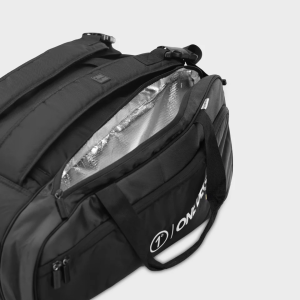
The Top Layer (The VIP Zone): Racket Protection
The racket goes in last, or into a dedicated lateral pocket built specifically for it. It should never sit underneath anything, and it should never bear the structural weight of the rest of the load.
Heat is the real threat here. A racket’s EVA foam core loses density and bounce when it’s baked in a hot trunk or left in direct sun, and that damage doesn’t reverse. A basic, unlined cover works fine in a closet, but not in a car boot on a hot afternoon. Thermal foil lining closes that gap, and it’s increasingly standard on padel bag in Pakistan built for local heat rather than imported from cooler climates.
The Commuter’s Checklist: Tailoring to the Routine
Players heading straight from work to the court have one extra problem: packing office clothes alongside court gear without one ruining the other. A few habits make this easier:
- Roll office clothes instead of folding them; they hold up better against creasing in a shared compartment
- Keep a change of clothes in its own section, away from anything damp or sandy
- Pack the racket last, regardless of how rushed the morning is; it’s the one thing that shouldn’t get buried
If you’re at the point of upgrading your setup rather than just packing smarter, it’s worth being specific about what you buy. Thermal protection or sand isolation tends to come from a brand actually built around padel. ONE DEGREE is worth a look if you’re comparing options, with a range of thermal-lined padel bags built around exactly these packing problems.
Pack Once, Play Better
Quick reference, bottom to top: shoes and heaviest items at the base, damp gear and hydration sealed in the middle, racket protected on top and never load-bearing.
Proper packing isn’t about carrying more; it’s about extending the life of gear that’s expensive to replace, and walking onto the court with your head already in the match instead of still in your bag. Once the system is set, it stops being something you think about at all.
If your current setup still feels like a work in progress, it’s worth auditing what you’re carrying against what’s actually protecting it. Between reliable padel shoes online and bags built with real thermal and moisture protection, most players find the upgrade pays for itself the first time it saves a racket rather than damages one.