Imagine being able to enjoy a harvest of fresh vegetables long after your regular growing season has ended! Using appropriate season extension techniques, many gardeners in North America are now achieving that goal in 2026. Season extension practices such as using cold frames, row covers, and even unheated hoop houses are available, inexpensive, and highly effective for gardeners of all skill levels.
In this ultimate guide, learn all about season extension methods and how you can begin earlier in the spring and continue growing well into the fall.
What Is Season Extension?
Season extension refers to the technique of utilizing shelters, coverings, microclimates, and plantings in order to grow crops outside the frost-free growing season of your area. This means that gardeners can plant their crops sooner during spring than the expected last frost date, and keep harvesting until fall and even winter when the first frost occurs.
Advantages of Season Extension Gardening:
- Harvest fresh vegetables 4 to 8 weeks early in spring
- Keep growing crops for 6 to 10 weeks after the first fall frost
- Grow vegetables year-round in mild climates with low cost
- Produce more vegetables throughout the year from the same plot
- Save money on groceries and enhance food security for your family
- Grow heat-sensitive vegetables in cold climate regions
Top Season Extension Techniques for Maximum Harvests
1. Cold Frames The Most Accessible Season Extender
The cold frame consists of a wooden box without a bottom and a clear glass cover. This creates a small greenhouses-like space where plants are sheltered from frost, wind, and cold weather conditions. The use of cold frames increases the growing period of crops for about 4 to 6 weeks in spring and autumn.
- Suitable for: Lettuce, spinach, kale, arugula, radishes, carrots
- Cost: $20-$100 Do-It-Yourself | $80-$300 Bought
- Growing season increase: 4-6 weeks spring and autumn
- Advice: Leave the lid open on hot days to avoid excessive heat
2. Row Covers (Floating Row Cover / Remay) Best Value
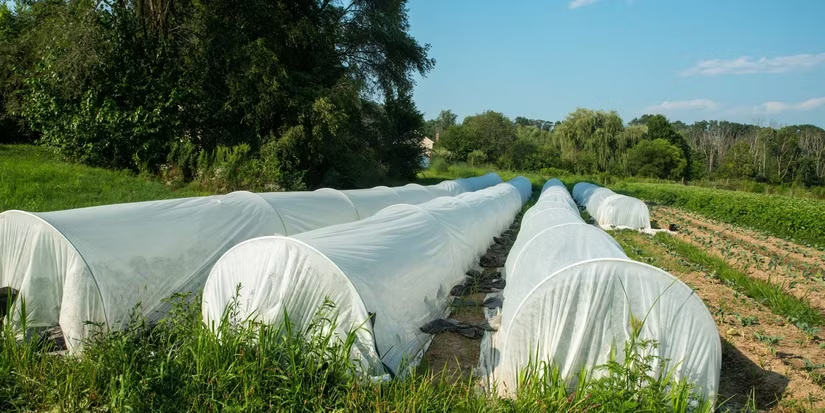
Floating row cover is simply a sheet of lightweight spunbond fabric laid on top of the plants that acts to trap warmth and repel insects and frost at the same time. These materials are cheap, durable, and very adaptable – the best buy out there for season extension.
- Light (0.5–0.9 oz): 2 to 4°F frost protection insect barrier, but not a frost protector
- Medium (1.25 oz): 4 to 6°F frost protection is best for all-around use
- Heavy (2.0 oz): 6 to 10°F frost protection for winter growing in mild zones
- Cost: $15 to $40 for a 50 foot roll
3. Hoop Houses and Low Tunnels — Best for Larger Beds
Low tunnels are small hoop houses constructed using wire hoops, PVC pipes, or conduits and covered with row cover material or plastic sheets. They are bigger than cold frames and can extend over whole garden beds, covering several rows of vegetables at once. Low tunnels can extend the growing season by 6-8 weeks at each end of the season.
- Suitable for: Full garden beds of greens, brassicas, root vegetables
- Cost: $30 to $80 for materials to cover a 4×8 foot bed
- Season extension: 6 to 8 weeks, spring and fall
- Tip: Use metal hoops over plastic they last 10+ years
4. Unheated High Tunnels (Hoop Houses) Best for Serious Gardeners
High Tunnel
A high tunnel is a greenhouse without heating that allows for walking within its confines. High tunnels are capable of adding up to 3-4 months to the growing period in colder areas and allow for continuous production throughout the year in USDA zones 6 and above.
- Cost: $500 to $3,000+, depending on size
- Season extension: 3 to 4 months or year-round in mild zones
- Best for: Tomatoes, peppers, cucumbers, year-round greens
- Available grants: USDA NRCS offers cost-share programs for hoop houses in the USA
5. Mulching The Simplest Season Extender
Heavy mulching insulates soil, moderates soil temperature fluctuations, and protects root crops from freezing. A 4 to 6 inch layer of straw mulch can keep soil workable for 2 to 4 weeks longer into autumn and protect overwintering crops like carrots, parsnips, and kale through hard frosts.
- Best mulch materials: Straw, shredded leaves, wood chips, pine needles
- Cost: $5 to $20 per bale of straw
- Best for: Root vegetables, garlic, strawberries, perennial herbs
- Season extension: 2 to 4 weeks into winter
6. Cloches Best for Individual Plant Protection
Cloches are individual covers placed over single plants or small clusters to protect them from frost. They range from glass bell jars (the original French cloche) to plastic milk jugs with the bottoms cut off. Wall-O-Waters — plastic tepee-shaped water-filled tubes — are especially popular in North America and can protect tomatoes down to 16°F (-9°C).
- Wall-O-Water: Protects tomatoes and peppers 4 to 6 weeks before last frost
- Glass cloches: Very stylish and extremely efficient for individual plants
- Milk jug cloches (DIY): No cost and surprisingly efficient for seedlings
- Cost: Free (DIY) to $8 to $12 per Wall-O-Water
Best Crops for Season Extension Growing
Not all vegetables are equal when it comes to season extension. Here are the most frost-resistant and rewarding vegetables for extending your growing season:
Early Spring (Start 4 to 6 Weeks Before Last Frost)
- Lettuce, spinach, arugula, mâche
- Kale, collards, Swiss chard
- Radishes, turnips, beets
- Peas, broad beans
- Cabbage, broccoli, cauliflower transplants
Late Fall and Winter Harvesting
- Kale (sweetens after frost), Brussels sprouts, leeks
- Carrots, parsnips, celeriac (leave in ground under mulch)
- Winter lettuce varieties (Arctic King, Rouge d’Hiver)
- Spinach (survives under snow and bounces back)
- Garlic (plant in fall, harvest next summer)
Step-by-Step Season Extension Plan
- Know your frost dates: Find your average last spring frost and first fall frost dates using the USDA Plant Hardiness Zone Map or the Old Farmer’s Almanac frost date calculator
- Start seeds indoors 6 to 8 weeks early: Use grow lights and a heat mat to start warm-season crops well ahead of outdoor planting time
- Harden off seedlings properly: Expose indoor-grown seedlings to outdoor conditions gradually over 7 to10 days before transplanting
- Deploy cold frames or cloches for earliest transplants: Protect early transplants for the first 2 to 4 weeks after planting outdoors
- Use row covers throughout the growing season: Leave covers on cold sensitive crops until nighttime temperatures reliably stay above 50°F (10°C)
- Plant fall crops on time: Count back from your first fall frost date. Most fall crops need to be planted 6 to10 weeks before the first frost
- Mulch root crops in autumn: Apply 4 to 6 inches of straw mulch before the ground freezes to extend harvest windows by weeks
FAQs: Season Extension Techniques
What is the cheapest season extension method for home gardeners?
A floating row cover fabric is the cheapest and most flexible form of season extension available. One 50-foot roll can be purchased from $15 to $40, providing 4 to 6°F of frost protection and keeping insects away. Along with free milk jugs cloches, you can have an extended growing season for up to 6 to 8 weeks for less than $30.
How much earlier can I plant with season extension techniques?
Using cold frames or Wall-O-Waters, warm season vegetables such as tomatoes and peppers can be transplanted 4 to 6 weeks ahead of the last frost date. Using cold frames or row covers, cold tolerant greens can be planted 6 to 8 weeks ahead of the last frost date of spring.
Can season extension techniques work in Canadian winters?
Yes, absolutely. Many Canadian gardeners successfully harvest fresh greens through winter using unheated cold frames and heavily insulated row covers. Cold-hardy varieties of spinach, kale, mâche, and certain lettuces survive temperatures well below freezing under appropriate protection. Gardeners in zones 5–6 (southern Ontario, BC’s Lower Mainland) can harvest year-round with proper season extension infrastructure.
What crops can survive frost under row covers?
Many crops tolerate frost naturally and become even more cold-hardy under row cover protection. The most frost-tolerant crops include kale, spinach, arugula, mâche, Brussels sprouts, leeks, carrots, parsnips, and certain lettuce varieties. Kale and spinach can survive temperatures as low as 10°F (-12°C) under heavy row cover protection.
Conclusion
The art of season extension turns your garden into a year-round growing system, producing fresh vegetables not just for 3 or 4 months, but for 8, 10, or even 12 months. Begin with basic tools – such as some rolls of row cover material and some cold frames, and then progress according to your increasing knowledge and aspirations.
If you’re a novice vegetable grower in Alberta, or even a seasoned vegetable grower in California, the methods of season extension discussed here will allow you to maximize your garden potential, save money on your food budget, and experience the great feeling of enjoying fresh produce when others have packed up their gardening tools.