
Planned development can significantly influence how a region evolves over time. Dholera Special Investment Region, commonly known as Dholera SIR, is an example of a planned development area where infrastructure and industrial growth are important parts of the broader development vision.
As interest in the region increases, Dholera SIR plots are being considered by people with different objectives, including residential planning, commercial use, and long-term land investment. However, choosing the right plot requires careful evaluation rather than relying solely on the popularity of the location.
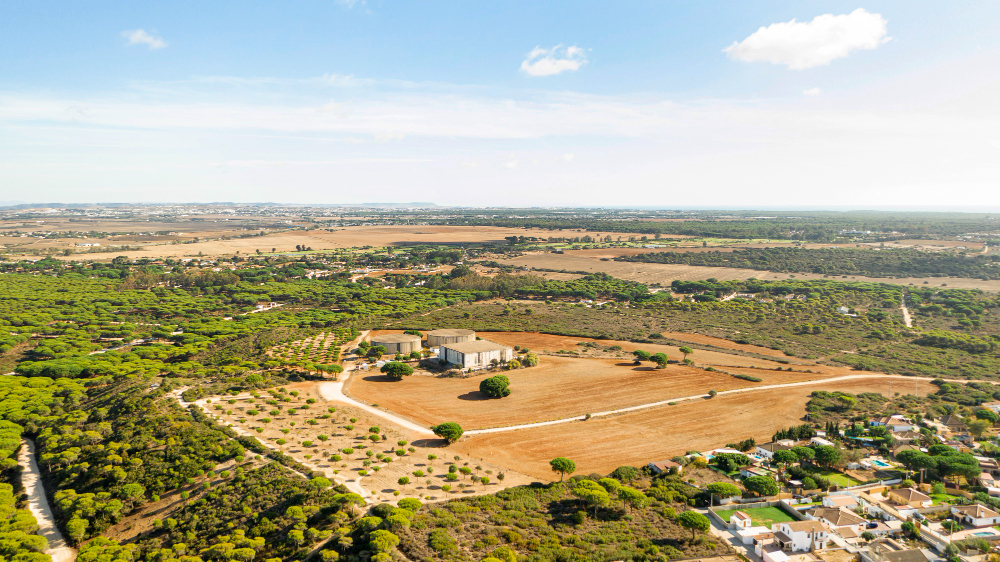
Understanding Dholera SIR
Before purchasing land, it is useful to understand the broader concept of a Special Investment Region. Dholera SIR is planned as a large-scale development area with an emphasis on infrastructure, industry, connectivity, and supporting urban development.
This planned approach makes infrastructure and zoning particularly relevant when evaluating individual plots.
Location Within the Region Matters
Not every plot within a developing region offers the same advantages. Distance from major roads, industrial areas, residential zones, commercial areas, and planned infrastructure can influence the suitability of a particular property.
For buyers considering Dholera SIR plots, studying the exact location is therefore more important than simply considering the name of the region.
A plot should be evaluated in relation to its surrounding development and intended use.
Infrastructure Is a Major Consideration
Infrastructure is one of the most important factors in any developing real estate market. Roads, utilities, drainage, communication networks, and other facilities contribute to the usability of land.
When researching Dholera SIR plots, buyers should look at what infrastructure is already available and what development is officially planned.
It is important to distinguish between confirmed infrastructure plans and informal market claims.
Different Buyers Have Different Objectives
Not every land buyer has the same goal. Some may be interested in constructing a residence, while others may be looking for commercial opportunities or simply considering land as a long-term asset.
The intended purpose should influence the selection process.
For example, a residential buyer may prioritise neighbourhood development and access to essential amenities, while a commercial buyer may place greater importance on visibility, accessibility, and business-related infrastructure.
Check Land-Use Regulations
One of the most important aspects of purchasing land is understanding what can legally be developed on it.
Buyers should verify the land-use classification and applicable development regulations before purchasing Dholera SIR plots. A plot that looks suitable for a particular purpose may have restrictions that affect its development potential.
Professional legal and property advice can be valuable during this stage.
Connectivity Can Shape Future Usability
Connectivity is closely connected with real estate development. Better roads and transportation networks can make an area more accessible to residents, businesses, workers, and visitors.
For this reason, buyers should consider both current accessibility and officially planned connectivity when evaluating a plot.
However, future infrastructure should be assessed realistically, with information sourced from reliable authorities wherever possible.
Documentation Is Equally Important
Land investment should always begin with proper due diligence. Buyers should review ownership records, title documents, land-use details, approvals, boundaries, access rights, and other relevant paperwork.
A proper document verification process can help identify potential concerns before money is committed.
This is especially important when purchasing land as a long-term investment because unresolved documentation issues can become difficult and expensive to address later.
Consider the Long-Term Picture
Land is generally not an investment that should be evaluated only on short-term price movements. Development, infrastructure, demand, and surrounding activity can evolve over several years.
When evaluating Dholera SIR plots, buyers should therefore consider how the location may serve their intended purpose over the long term.
Rather than asking only, “Will the price increase?”, a better question can be, “What factors could make this location useful and desirable in the future?”
A Simple Evaluation Checklist
Before finalising a plot, buyers can consider:
- Exact location and accessibility
- Existing road connectivity
- Planned infrastructure
- Permitted land use
- Ownership and title documentation
- Nearby residential and industrial development
- Availability of basic utilities
- Intended future use
- Total acquisition and development costs
- Long-term suitability
Dholera SIR represents a planned development environment where infrastructure, industry, connectivity, and urban growth are closely connected. This makes land evaluation more nuanced than simply comparing prices between different plots.
For anyone considering Dholera SIR plots, careful research, document verification, location analysis, and a clear understanding of future requirements can help create a more informed buying decision.
The strongest land decisions are usually based not on speculation alone, but on a combination of verified information, practical usability, and a realistic long-term perspective.