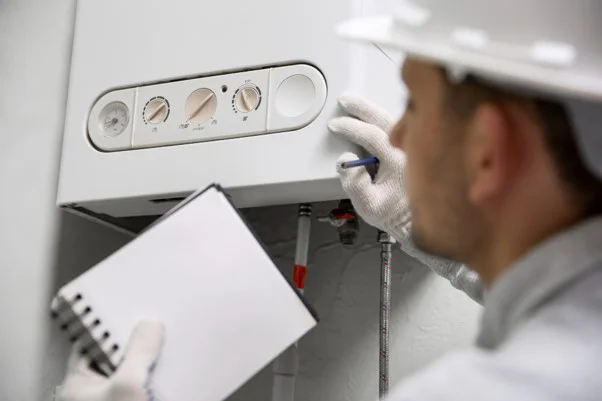
A hydronic heating service keeps your home warm & efficient. In Glen Iris the winters are cool and damp, so a well‑tuned system can make a big difference. This article walks you through what to look for, how to prepare your house, and the five insider tips that will give you reliable heat all season long.
Understanding Hydronic Heating in Glen Iris
Glen Iris experiences a temperate climate with occasional cold snaps that can push indoor temperatures down to 5°C. Hydronic heating works by circulating hot water through radiators underfloor loops or wall‑mounted panels, delivering consistent warmth without the drafts of forced‑air systems. The primary components are a boiler, a pump, and a network of piping and control valves. Um, in many homes built in the 1970s and 1980s, copper pipe was standard, but modern renovations often use PEX for its flexibility and resistance to corrosion.
Core Components Explained
The boiler heats water to around 70°C and sends it through a closed loop. A high‑efficiency condensing boiler, such as a Bosch 8 kW model, can recover heat from exhaust gases & lower fuel use. The pump maintains flow, typically 0.5–1.5 L/s for a residential system, while thermostatic valves let each room set its own temperature. Smart thermostats from Honeywell or Ecobee can be linked to a mobile app, giving you real‑time control and energy‑use data.
Choosing the Right Hydronic Heating Service Provider
Not every plumber can handle a full hydronic heating service. You need a technician with a license for gas and a qualification in hydronic design. In Victoria, look for members of the Australian Institute of Refrigeration, Air‑Conditioning and Heating (AIRAH) and those who hold a Certificate IV in Plumbing. A local provider will also know the council requirements for pipe insulation and runoff water discharge.
What to Ask Before Hiring
- Are you certified to service condensing boilers?
- Do you provide a written service contract with response‑time guarantees?
- What brand of boiler & control system do you recommend for a 150 m² home?
- Can you show references from other Glen Iris residents?
5 Insider Tips for Getting the Best Hydronic Heating Service
Here are five practical actions that separate the good from the great. Follow them & you’ll avoid common pitfalls and keep your system humming.
Tip 1 – Verify Seasonal Checks
A reputable provider will perform a pre‑winter inspection that includes pressure testing, leak detection, and boiler efficiency measurement. They will also flush the system if the water looks cloudy or smells of sulfur. This step prevents costly repairs later in the season.
Tip 2 – Look for Annual Maintenance Plans
Regular servicing, at least once a year, keeps the heat exchanger clean and the pump calibrated. Many companies offer a subscription that includes a mid‑year check‑up and a winter start‑up visit—signing up can also give you priority scheduling when a sudden breakdown occurs.
Tip 3 – Prioritize Water‑Treatment Knowledge
Australian water can be hard, leading to scale buildup inside the boiler & radiators. A good hydronic heating service will add a magnetic water‑treatment device or recommend a periodic acid flush. This extends equipment life and maintains heat efficiency.
Tip 4 – Demand Transparent Performance Metrics
Ask for a service report that includes boiler output in kW, pump flow rate in L/min, and system pressure in bar. Seeing these numbers lets you compare performance before and after each visit—it also helps you spot trends that could indicate a future issue.
Tip 5 – Use Smart Controls Integration
Modern systems can be linked to a home‑automation hub such as Samsung SmartThings. A skilled technician will configure zone controllers, set up schedules, and calibrate temperature sensors. You know? This integration can reduce your energy use by up to 15% during shoulder seasons.
Seasonal Preparation Checklist for Glen Iris Homes
Because Glen Iris experiences both warm summers and cool winters, you need a two‑phase approach to keep your hydronic heating service ready.
Pre‑Winter Inspection
- Check boiler pressure; it should sit between 1.0 & 1.5 bar when cold.
- Inspect radiators for trapped air & bleed any that feel cold at the top.
- Verify that the pump’s impeller is free of debris.
- Confirm that the thermostat is calibrated to the desired indoor temperature.
Summer Shutdown
- Turn the boiler off and drain the system to prevent corrosion.
- Close the isolation valves on the pump and heat emitters.
- Store the thermostat in a dry place to avoid moisture damage.
- Schedule a professional flush before the next heating season.
Troubleshooting Common Issues with Hydronic Heating
Even with regular service, problems can arise. Below are the most frequent complaints & quick ways to diagnose them.
Noise Problems
Gurgling or banging noises often indicate air trapped in the pipes or an oversized pump. First, bleed all radiators and check the pump speed setting. If the noise persists, the technician may need to install a pressure‑reducing valve.
Uneven Floor Heat
Hot spots or cold spots under the floor are usually caused by an unbalanced manifold or a blocked loop. Use a thermal camera to map temperature variation, then adjust the flow control valves at the manifold. In some cases a pump with variable speed is required.
Integrating Renewable Energy with Hydronic Systems
Melbourne’s push for net‑zero homes makes renewable integration a smart move. A hydronic heating service can pair your boiler with solar thermal panels or an air‑source heat pump, reducing reliance on gas. 💡
Solar Thermal Pairing
Solar collectors on a north‑facing roof can preheat the water before it reaches the boiler. See, the system controller decides when to use solar heat versus boiler heat based on temperature thresholds. This can cut fuel consumption by up to 30% on sunny days.
Heat Pump Compatibility
Modern condensing boilers can work alongside a heat pump in a hybrid configuration. The pump handles low‑temperature heating while the boiler kicks in when demand spikes. A qualified hydronic heating service will size the heat pump correctly, typically 6–8 kW for a 200 m² home.
Conclusion
Getting the right hydronic heating service in Glen Iris means checking credentials, demanding clear performance data, & staying on top of seasonal maintenance. Follow the five insider tips, use the seasonal checklist, and don’t ignore water‑treatment or smart‑control integration. See, with these steps you’ll enjoy a comfortable home, lower energy bills, and peace of mind that your heating system is built to last.