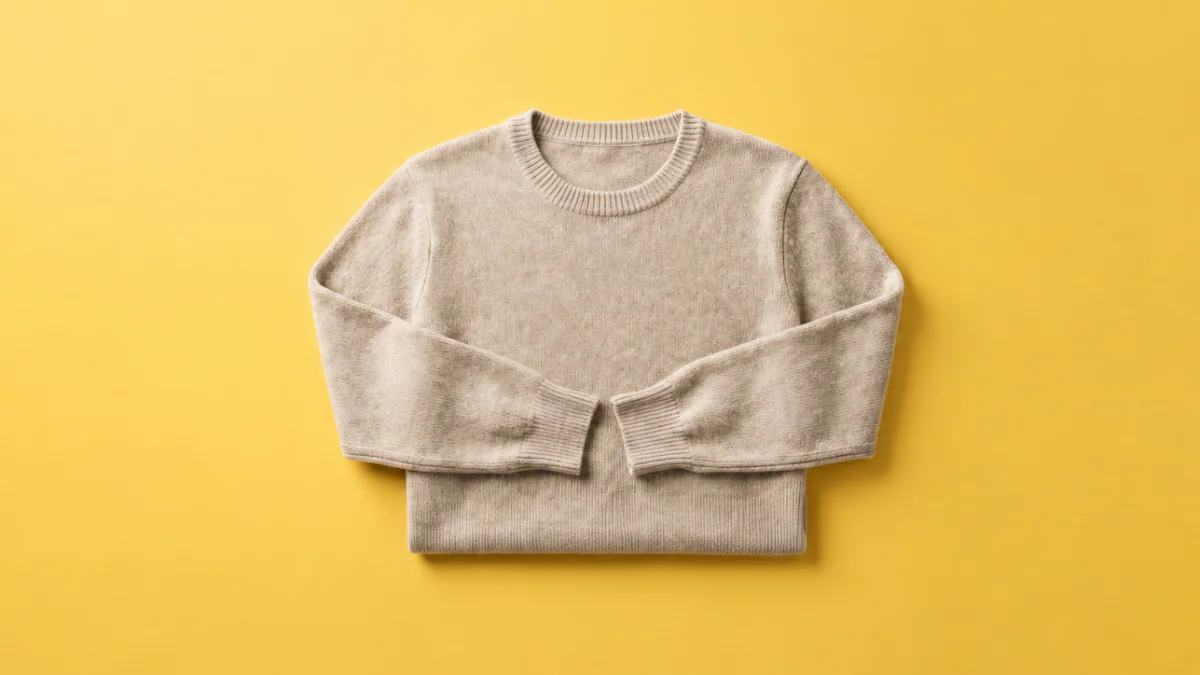
A cashmere crewneck sweater is often purchased for its softness, warmth, and timeless appearance, but those qualities mean little if the sweater starts developing visible pills after only a few months. Pilling is one of the most common concerns when buying cashmere, particularly for men who want a sweater they can wear regularly throughout fall and winter. While some amount of surface fuzz can naturally appear as fibers experience friction, excessive pilling can indicate issues with fiber length, yarn construction, garment quality, or everyday care. Choosing a durable cashmere sweater therefore requires more than simply looking for a soft fabric. It means understanding what makes cashmere resistant to premature wear and knowing how to evaluate a garment before purchasing it. For shoppers building a refined wardrobe, Luxury Beige Cashmere Sweaters can be an excellent option when quality, construction, and long-term maintenance are considered together.
Understanding Why Cashmere Pills
Pilling occurs when loose or broken fibers become tangled together on the surface of a knitted garment. Friction causes these fibers to collect into small balls that become visible on areas exposed to regular contact. Sleeves may rub against desks, the sides of the body may experience friction from jackets, and the chest can come into contact with bags or seat belts. These everyday movements can contribute to pilling even when a sweater is made from genuine cashmere.
Not all pilling means a sweater is poor quality. New knitwear can sometimes release shorter loose fibers during its first few wears, which may create temporary surface fuzz. The concern is persistent or heavy pilling that continues to develop across the garment. A well-made cashmere sweater should generally maintain a cleaner surface when it is produced from appropriate fibers, properly spun yarn, and carefully constructed knitwear.
Fiber Length Matters More Than Softness Alone
One of the most important factors influencing cashmere durability is fiber length. Very short fibers can feel exceptionally soft because they create a fuzzy surface, but they may also be more likely to work their way out of the yarn and form pills when exposed to friction.
Longer cashmere fibers can contribute to stronger yarn construction because there are fewer loose fiber ends protruding from the surface. This does not mean shoppers should assume that every long-fiber cashmere product will remain completely pill-free. Pilling depends on several factors, including yarn construction, knitting technique, friction, and garment care.
When shopping for a men’s cashmere crewneck, therefore, softness should not be the only quality signal. Look for transparent product information that explains the fiber composition and construction. If a seller provides useful details about the cashmere rather than relying entirely on vague luxury language, buyers have more information with which to evaluate the garment.
Why Yarn Construction Affects Durability
The way cashmere fibers are spun into yarn can have a meaningful effect on how a sweater performs over time. A properly constructed yarn holds fibers together more effectively, reducing the number of loose fibers that can migrate toward the surface.
The number of yarn plies can also influence the character of a sweater. A two-ply construction, for example, combines two strands of yarn and can provide a different balance of structure, warmth, and durability compared with a very fine single-ply garment. However, ply count alone should never be treated as a complete measure of quality.
A high-quality single-ply sweater can still perform well when the underlying fibers and manufacturing are excellent. Likewise, simply choosing a multi-ply sweater does not automatically guarantee resistance to pilling. Buyers should evaluate the entire garment rather than relying on one specification.
Choosing a Crewneck for Regular Wear
Crewneck sweaters are among the most practical cashmere styles for men because they work across casual and smart-casual wardrobes. Their simple neckline allows them to be worn over T-shirts, under jackets, or alongside collared shirts depending on the setting.
For regular use, however, it is worth choosing a crewneck with a balanced structure rather than an extremely delicate knit intended primarily for occasional wear. A sweater that feels substantial without being excessively heavy can offer more versatility throughout the season.
Pay attention to the neckline as well. A well-finished collar should maintain its shape and sit comfortably around the neck. Ribbed cuffs and hems should also recover their shape after stretching. These small construction details can make a noticeable difference when a sweater becomes part of a regular rotation.
What Makes Luxury Cashmere Different
The term luxury can mean different things depending on the seller, so shoppers should avoid assuming that a higher price automatically guarantees better durability. Luxury Beige Cashmere Sweaters, for example, should be evaluated based on tangible characteristics such as fiber quality, yarn construction, knitting, finishing, fit, and care requirements.
A premium garment should provide clear information rather than relying entirely on appearance or branding. Buyers should look for a transparent fiber composition, consistent stitching, well-finished seams, and a shape that appears carefully constructed.
The beige color itself does not make a sweater more durable, but it can make the garment especially useful in a versatile wardrobe. Beige pairs easily with navy, gray, brown, black, and denim, allowing one well-made cashmere sweater to become a frequently used seasonal piece.
How to Inspect a Cashmere Sweater Before Buying
Online shopping makes it difficult to physically examine cashmere, which means product descriptions and photographs become particularly important. Look closely at close-up images of the knit and inspect whether the surface already appears excessively fuzzy or uneven.
If buying in person, gently examine the fabric rather than aggressively rubbing it. The surface should feel soft and consistent without appearing excessively hairy. Check the seams, cuffs, collar, and hem for loose threads or inconsistent finishing.
The garment should also have a balanced shape. If the shoulders appear uneven or the knit looks distorted around the neckline, the sweater may not maintain its appearance well after repeated wear.
Product reviews can also provide useful clues, particularly when multiple customers independently mention pilling after several weeks or months. One isolated complaint does not necessarily establish a quality problem, but repeated comments about the same issue deserve attention.
Beware of Extremely Soft First Impressions
An exceptionally soft sweater can be tempting, but softness alone does not prove that a cashmere garment is high quality. Very short fibers can create a fuzzy, luxurious sensation when the sweater is new, while those same fibers may contribute to more visible pilling with use.
This is why experienced shoppers should consider how the sweater is made rather than judging it exclusively by touch. A balanced combination of softness, smoothness, structure, and transparent product information is more useful than an unusually plush first impression.
The goal should be to find a sweater that feels comfortable while also demonstrating signs of thoughtful construction.
How Friction Changes the Life of Cashmere
Even a well-made cashmere sweater can pill when exposed to excessive friction. This is particularly important for men who carry backpacks, messenger bags, or shoulder bags. Repeated rubbing between the strap and sweater can create concentrated wear in the same area.
Desk edges, car seat belts, rough jacket interiors, and other garments can have a similar effect. If a sweater is worn under a coat with a coarse lining, the repeated movement between the two fabrics can increase surface friction.
Reducing unnecessary friction is therefore one of the simplest ways to extend the life of cashmere. Rotating sweaters and choosing smoother outer layers can help minimize repeated stress on the same sections of the garment.
The Right Way to Care for Cashmere
Proper care can make a significant difference in how a cashmere sweater looks after one season. Always begin by following the manufacturer’s specific washing instructions. If hand washing is recommended, use a suitable gentle detergent and avoid aggressive scrubbing or twisting.
When washing, excessive agitation can stress delicate fibers. After cleaning, avoid wringing the sweater because this can distort the knit. Instead, gently remove excess water and allow the sweater to dry according to the care instructions.
Cashmere should generally be stored folded rather than hanging for long periods. Hanging can place stress on the shoulders and potentially alter the shape of the garment. Clean sweaters should also be stored in a dry environment where they are protected from unnecessary friction and moisture.
Can You Remove Pilling Without Damaging Cashmere
Small amounts of pilling can often be managed without replacing the sweater. A dedicated fabric comb or cashmere-safe depilling tool can carefully remove pills from the surface. The key is to work gently and avoid repeatedly scraping the same area.
Do not pull individual pills aggressively with your fingers because doing so can remove additional fibers from the yarn. Likewise, rough grooming tools designed for heavier fabrics may be too aggressive for delicate cashmere.
If pilling is concentrated in a particular area, consider what is causing the friction. Removing the pills addresses the visible problem, but reducing the source of friction can help prevent the issue from returning.
Why Rotating Sweaters Helps
Wearing the same cashmere crewneck every day throughout an entire season places continuous stress on one garment. Even excellent cashmere benefits from periods of rest between wears.
Having two or three sweaters in rotation allows each garment to spend time between uses. This can reduce repeated friction and give the knit time to recover its shape. Rotation also reduces the temptation to wash one sweater excessively because it is constantly being worn.
A neutral beige sweater can be particularly useful in such a rotation because it works with a wide range of trousers and outerwear. Combined with navy, charcoal, gray, or brown options, it can form the foundation of a practical cold-weather wardrobe.
How to Balance Price and Quality
A higher price does not automatically mean a sweater will never pill. Cashmere is a natural fiber, and normal wear can eventually create some surface changes. Instead of searching for a product that promises zero pilling forever, shoppers should look for evidence of quality and realistic durability.
Consider the fiber composition, construction, garment weight, finishing, reputation of the seller, and care requirements. A moderately priced sweater with transparent specifications may be a more sensible purchase than an expensive product that provides little information about its materials.
The goal is long-term value rather than simply paying more for a luxury label.
Building a Long-Lasting Cashmere Collection
Men who want cashmere to remain part of their wardrobe for years should approach the collection as a group of complementary pieces rather than a series of impulse purchases. A well-made crewneck in beige can provide a versatile neutral foundation, while navy, charcoal, gray, or darker brown can provide additional variety.
Each sweater should serve a different purpose while remaining easy to combine with existing clothing. This approach reduces overuse of any single garment and makes it easier to maintain each piece properly.
When Luxury Beige Cashmere Sweaters are selected with durability and versatility in mind, they can become more than seasonal fashion pieces. Their neutral color allows frequent styling, while careful construction and responsible care can help preserve their appearance over time.
Final Thoughts
Finding a men’s cashmere crewneck that remains attractive beyond its first season requires looking beyond softness and price. Fiber length, yarn construction, knitting quality, finishing, fit, and everyday friction all influence how a sweater performs. While no natural-fiber garment can realistically be guaranteed to remain completely pill-free under every condition, shoppers can significantly improve their chances of long-term satisfaction by choosing carefully and maintaining the sweater properly.
Pilling should also be viewed in context. Some initial surface fuzz can occur with new cashmere, while excessive and persistent pilling deserves closer attention. Regularly rotating sweaters, reducing friction, following care instructions, storing garments correctly, and gently removing occasional pills can all contribute to a longer-lasting wardrobe.
For men looking for a versatile combination of refinement and everyday practicality, Luxury Beige Cashmere Sweaters can provide a strong foundation when quality is prioritized over marketing claims. The best sweater is not simply the one that feels luxurious on the first day. It is the one that continues to look comfortable, well-shaped, and wearable after months of thoughtful use.