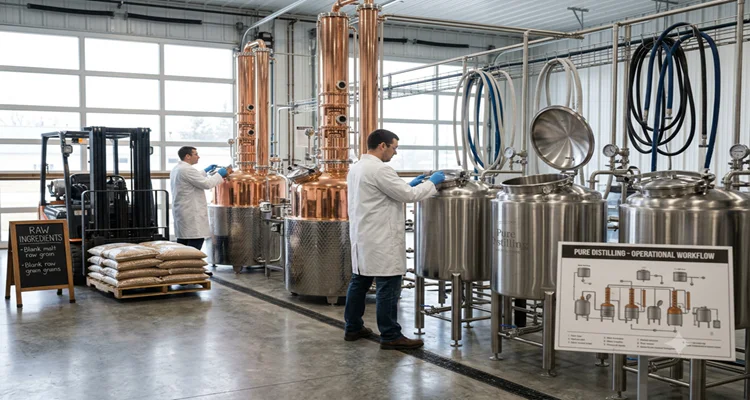
Have you ever cracked open a cold craft beer and thought, “I reckon I could make this myself”? Maybe you’ve wondered what equipment you actually need to get started, or whether it’s worth investing in quality Home brewing supplies from day one? If you’re nodding along, you’re definitely not alone.
Home brewing supplies has exploded in popularity across Australia over the past few years. What was once a niche hobby reserved for dedicated enthusiasts has become a mainstream pursuit for anyone who appreciates a good brew. From suburban backyards in Melbourne to garages in Perth, thousands of Aussies are now crafting their own ales, lagers, and everything in between.
In this guide, we’ll walk you through everything you need to know about home brewing supplies. Whether you’re a complete beginner looking for your first fermenter or a seasoned brewer ready to level up your setup, we’ve got you covered. You’ll discover essential equipment, top-quality ingredients, advanced gear for serious enthusiasts, and practical tips to help you build your perfect home brew station. Let’s get stuck into it.
Why Home Brewing Supplies Has Become So Popular Among Aussies
There’s something deeply satisfying about pouring a beer you’ve made with your own hands. Beyond the obvious appeal of having a fridge stocked with quality craft beer, home brewing supplies offers creative freedom that you simply can’t get from buying off the shelf.
Plus, once you’ve made the initial investment in equipment, brewing your own beer can save you a fair bit of cash over time. With craft beer prices continuing to climb at bottle shops, making your own becomes increasingly attractive from a financial perspective.
What Do You Need to Start Brewing Beer at Home?
Getting started doesn’t require a massive outlay or a degree in chemistry. At its core, you need a vessel to ferment in, ingredients (malt, hops, yeast, and water), and some basic tools for measuring and monitoring. Many beginners start with a simple kit and gradually expand their setup as they gain confidence and experience.
Essential Home Brewing Supplies Equipment for Beginners
Before you brew your first batch, you’ll need to sort out some fundamental equipment. The good news? You don’t need to spend a fortune to produce quality beer.
Fermenter Vessels: Choosing the Right Size and Material
Your fermenter is where the magic happens. This is where your wort transforms into beer over several days or weeks. For beginners, a 30-litre food-grade plastic fermenter is typically ideal it’s affordable, lightweight, and easy to clean.
As you progress, you might consider stainless steel fermenters. They’re more durable, easier to sanitise, and won’t absorb odours or colours over time. Glass carboys are another option, offering excellent visibility so you can watch fermentation in action.
Brewing Kettles and What to Look For
Your brewing kettle is essential for boiling wort and adding hops. Look for a pot that’s at least 19 litres for extract brewing or 40 litres if you’re planning to move into all-grain brewing later.
Stainless steel kettles with thick bases distribute heat evenly and last for years. Features like volume markings, a built-in thermometer, and a ball valve tap make the brewing process much smoother.
Airlocks and Bungs: Small Items That Make a Big Difference
These inexpensive items are crucial for successful fermentation. An airlock allows carbon dioxide to escape while preventing oxygen and contaminants from entering your fermenter. Without proper airlock setup, you risk spoiling entire batches.
Is It Worth Buying a Home Brew Starter Kit?
Absolutely, especially if you’re just beginning. Starter kits bundle everything you need at a discounted price compared to buying items separately. Most quality kits include a fermenter, airlock, hydrometer, bottle brush, and sometimes even your first batch of ingredients.
Best Brewing Ingredients for Craft Beer
Quality ingredients are the foundation of great beer. Understanding your options helps you create brews that match your taste preferences perfectly.
Malt Extract vs All-Grain Brewing
For beginners, malt extract brewing is the way to go. It’s simpler, faster, and requires less equipment. You’re essentially using concentrated malt that’s already been processed, which removes several complex steps from the brewing process.
All-grain brewing gives you complete control over your beer’s character but requires additional equipment like a mash tun and more brewing knowledge. Many brewers start with extract and transition to all-grain after mastering the basics.
Hops Varieties and Yeast Selection
Hops provide bitterness, flavour, and aroma to your beer. Australian-grown hops like Galaxy and Vic Secret offer unique tropical and citrus notes that work brilliantly in pale ales and IPAs.
Yeast selection dramatically affects your final product. Ale yeasts work at warmer temperatures and produce fruity, complex flavours. Lager yeasts require cooler fermentation but create cleaner, crisper beers. Experimenting with different strains is part of the fun.
Where Can I Buy Quality Brewing Ingredients in Australia?
Dedicated home brew shops remain the best option for quality ingredients. Stores like Grain and Grape, BrewCraft, and numerous local suppliers stock fresh ingredients and offer expert advice. Online retailers have also made it easier than ever to access specialty malts, hops, and yeasts regardless of your location.
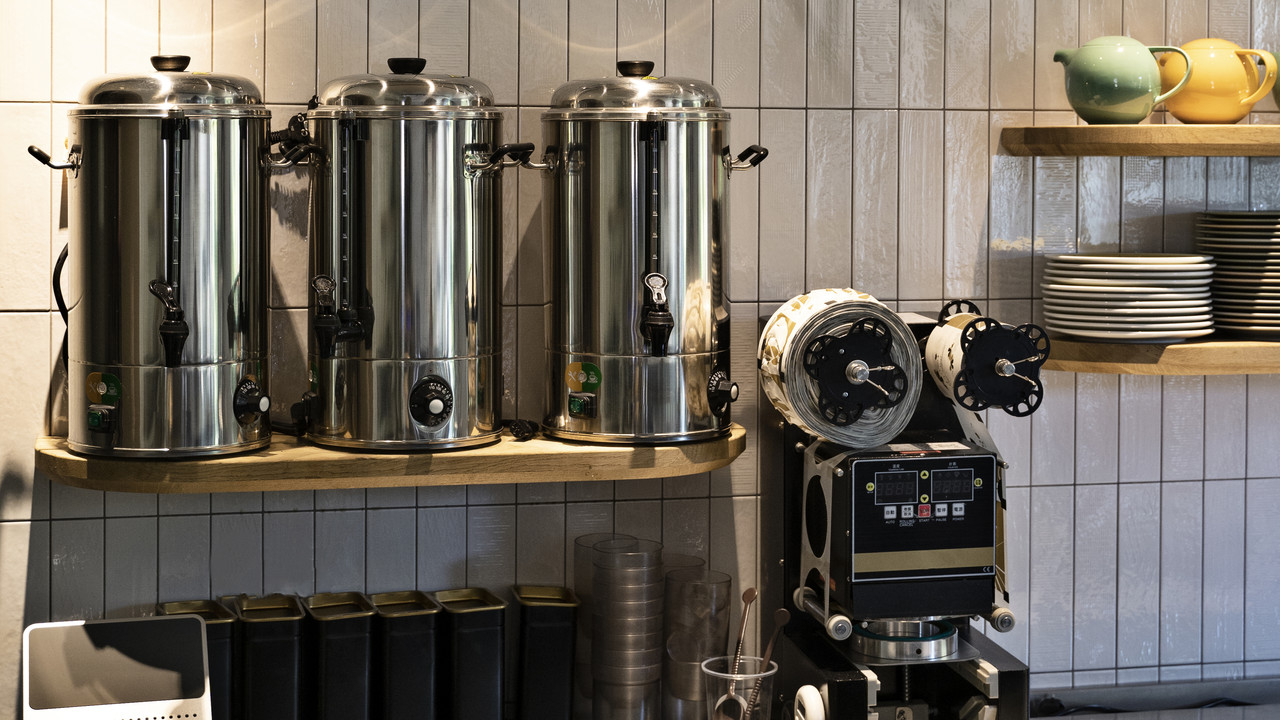
Advanced Home Brewing Supplies for Serious Enthusiasts
Once you’ve nailed the basics, upgrading your equipment opens up new possibilities for consistency and quality.
Temperature Control Systems
Temperature control is arguably the most significant upgrade you can make. Fermentation temperature directly impacts the flavours your yeast produces. A simple temperature controller connected to a fermentation fridge lets you maintain precise conditions year-round, regardless of Australian weather extremes.
Kegging Equipment vs Bottling
Bottling works fine, but it’s time-consuming. Kegging systems allow you to carbonate beer quickly and serve it on tap just like at your favourite pub. The initial investment is higher, but many brewers consider it worthwhile for the convenience alone.
Top Tips for Choosing Quality Home Brewing Supplies
Not all equipment is created equal. Making smart purchasing decisions saves money and frustration in the long run.
What to Avoid When Buying Brewing Equipment
Steer clear of suspiciously cheap equipment from unknown brands. Poor-quality fermenters can leach chemicals, and unreliable thermometers lead to inconsistent results. Read reviews, ask experienced brewers, and buy from reputable suppliers.
How Long Does Home Brewing Supplies Equipment Last?
Quality stainless steel equipment lasts decades with proper care. Plastic fermenters should be replaced every few years as they develop scratches that harbour bacteria. Invest in quality where it counts, and maintain everything properly.
Building Your Perfect Home Brew Setup
So there you have it everything you need to know about home brewing supplies for craft beer enthusiasts. From basic fermenters and kettles to advanced temperature control and kegging systems, the equipment you choose shapes your brewing experience and the quality of beer in your glass.
The Australian home brewing supplies community is incredibly welcoming, so don’t hesitate to join local clubs or online forums. Fellow brewers love sharing knowledge, and you’ll pick up tips that no equipment manual can teach. Now, what are you waiting for? Your first batch of home-brewed craft beer is calling. Cheers, mate!