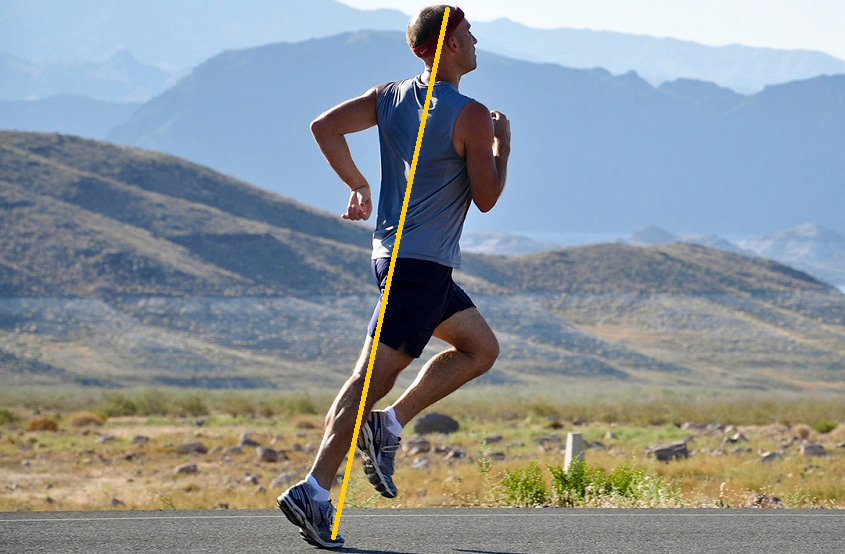
While many runners emphasize mileage, speed, and footwear, the least addressed aspect of performance is running form. Not only will bad form affect your speed negatively; it will also increase your likelihood of injuries and make every run more difficult than necessary. In 2026, learning the correct running form will yield the best return on investment for every runner.
In this comprehensive guide, we’ll take an in-depth look at everything related to running form, providing tips and exercises that will help you optimize your performance in running.
What Is Good Running Form?
Running form refers to the way one’s body aligns itself during running to enable efficiency in performance as well as prevent injuries from happening. Efficient running form is important because it helps reduce the energy cost of running, makes running more efficient, and allows runners to maintain higher speeds without getting tired easily.
The core principles of efficient running form include:
- Upright posture with a slight forward lean from the ankles (not the waist)
- Relaxed shoulders and arms tension in the upper body wastes energy
- A midfoot or forefoot strike directly beneath the center of mass
- High cadence, 170 to 180 steps per minute, is the benchmark for efficient running
- Short, quick strides rather than long, overreaching steps
- Engaged core for stability and power transfer
Perfect Running Form: Head to Toe Breakdown
Head and Gaze
Keep your head neutral, gaze directed 10 to 20 meters ahead, not down at your feet. Dropping your chin creates cervical tension that radiates down the entire spine. Imagine a string gently lifting the crown of your head toward the sky.
Shoulders and Arms
Loosen up your shoulders; never let your shoulders be in line with your ears. Your arms must swing forward and backward rather than across your body at an angle of about 90 degrees. Hands must be loosely made into fists as if holding a potato chip and not breaking it.
Torso and Core
Maintain a tall, upright torso with a slight forward lean originating from the ankles not the hips. Engage your core lightly (about 30% activation) throughout the run. A strong, stable core transfers power from your legs to forward momentum efficiently.
Hips
Move your hips forward and keep them parallel. The Trendelenburg pattern, where you have a hip drop, is one of the most frequent form faults, resulting in conditions such as IT band syndrome, knee problems, and lower back strain. Build up your buttocks muscles to help rectify this problem.
Foot Strike and Cadence
The age-old argument between heel, mid-foot, and forefoot strikes has finally been resolved through the science of biomechanics. Landing on your feet under your center of gravity (midfoot or forefoot strike), as opposed to overstriding with a heel strike, cuts impact force by 30-50%.
Cadence improvement tips:
- Count your steps for 30 seconds and multiply by 4 to get your current cadence
- If below 160 steps/minute, increase by 5% every two weeks until you reach 170 to180
- Use a metronome app set to your target cadence during easy runs
- Shorter strides naturally improve cadence, think “quick feet,” not “long strides.”
7 Most Common Running Form Mistakes
- Overstriding: Landing heel-first far ahead of your center of mass the number one cause of running injuries
- Excessive forward lean from the waist: Compresses the hip flexors and creates lower back strain
- Arm crossing the midline: Creates rotational waste and reduces forward momentum
- Looking at your feet: Drops posture and creates neck and upper back tension
- Clenched fists and tight shoulders: Wastes energy and creates upper body fatigue
- Hip drop: Leads to IT band syndrome, knee pain, and iliotibial friction
- Bouncing too much vertically: Vertical oscillation above 8 to 10 cm is wasted energy; you want to move forward, not up
Essential Running Form Drills
Perform these drills 2 to 3 times per week before your easy runs to build better neuromuscular patterns:
- High Knees: Exaggerated knee drive 30 meters x 3. Builds hip flexor strength and quick cadence
- Butt Kicks: Bring heels to glutes rapidly 30 meters x 3. Trains hamstring recruitment and backside mechanics
- A-Skip: Rhythmic skipping with high knee drive, 30 meters x 3. The most complete running mechanics drill
- Strides: 80–100m controlled accelerations at 90% effort, 4 to 6 reps after easy runs. Trains neuromuscular efficiency at faster paces
- Cadence Drill: Run at a normal, easy pace but consciously increase turnover for 30 second bursts within your run
FAQs: Running Form and Technique
How do I fix my running form on my own?
Film yourself running from the side and behind using a smartphone. Review the footage against the form checkpoints in this guide. Focus on fixing one issue at a time, overstriding and cadence are the most impactful first corrections. Running with a mirror or reflective window can also provide real-time feedback.
Does running form change with speed?
Yes. At faster paces, your lean increases slightly, arm swing becomes more powerful, and your foot strike moves further forward on the foot. The core principles remain the same: relaxed upper body, high cadence, foot strike beneath the center of mass, but the expression of those principles changes with speed.
How long does it take to correct running form?
Basic form corrections like improving cadence or reducing overstriding typically take 4–8 weeks of consistent, focused practice to become automatic. More complex changes involving posture and hip mechanics may take 3–6 months. Film yourself monthly to track your progress.
Conclusion
Mastering your running form is the single highest-leverage improvement you can make as a runner in 2026. Better technique means faster times, fewer injuries, and running that feels effortless. Start with the two biggest improvements increasing cadence and eliminating overstriding and work through the rest of this guide progressively.